
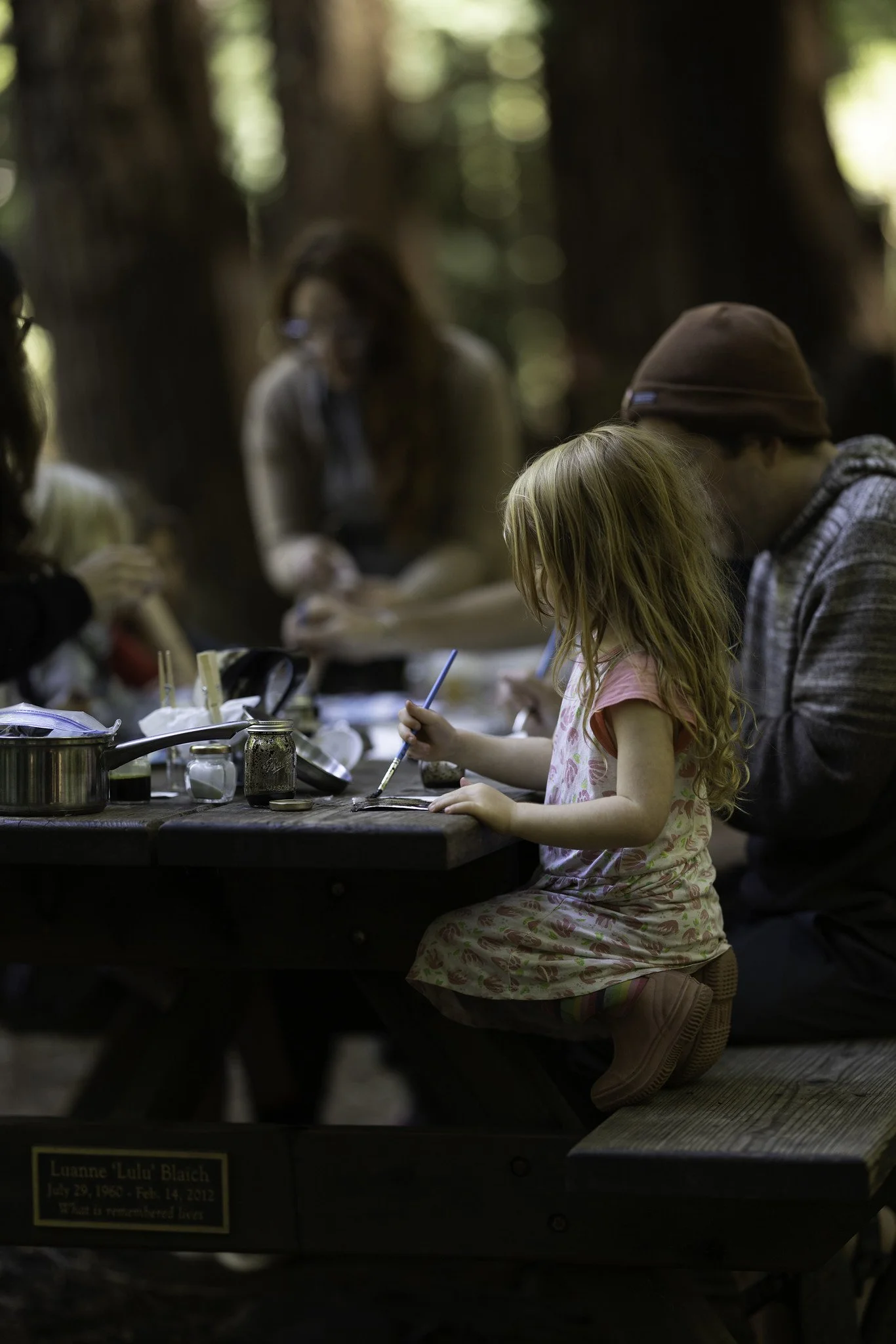
“Accept the children with reverence, educate them with love, send them forth in freedom.”
An exploration of the arts through the head, heart, and hands - for artists of all ages.
It’s a misconception that art as a subject is all about the end result. Instead, it's a way of learning to think, feel, and work with your hands, all together.
The Head: the discipline of technique, observation, and craft.
The Heart: the courage to explore, make mistakes, and find your own voice.
The Hands: the patience of process, and the confidence that comes from making something real.
This simple philosophy moves through every class, every age, and every material exploration. What changes is the how, as students grow from sensory exploration and pure play into technical mastery.
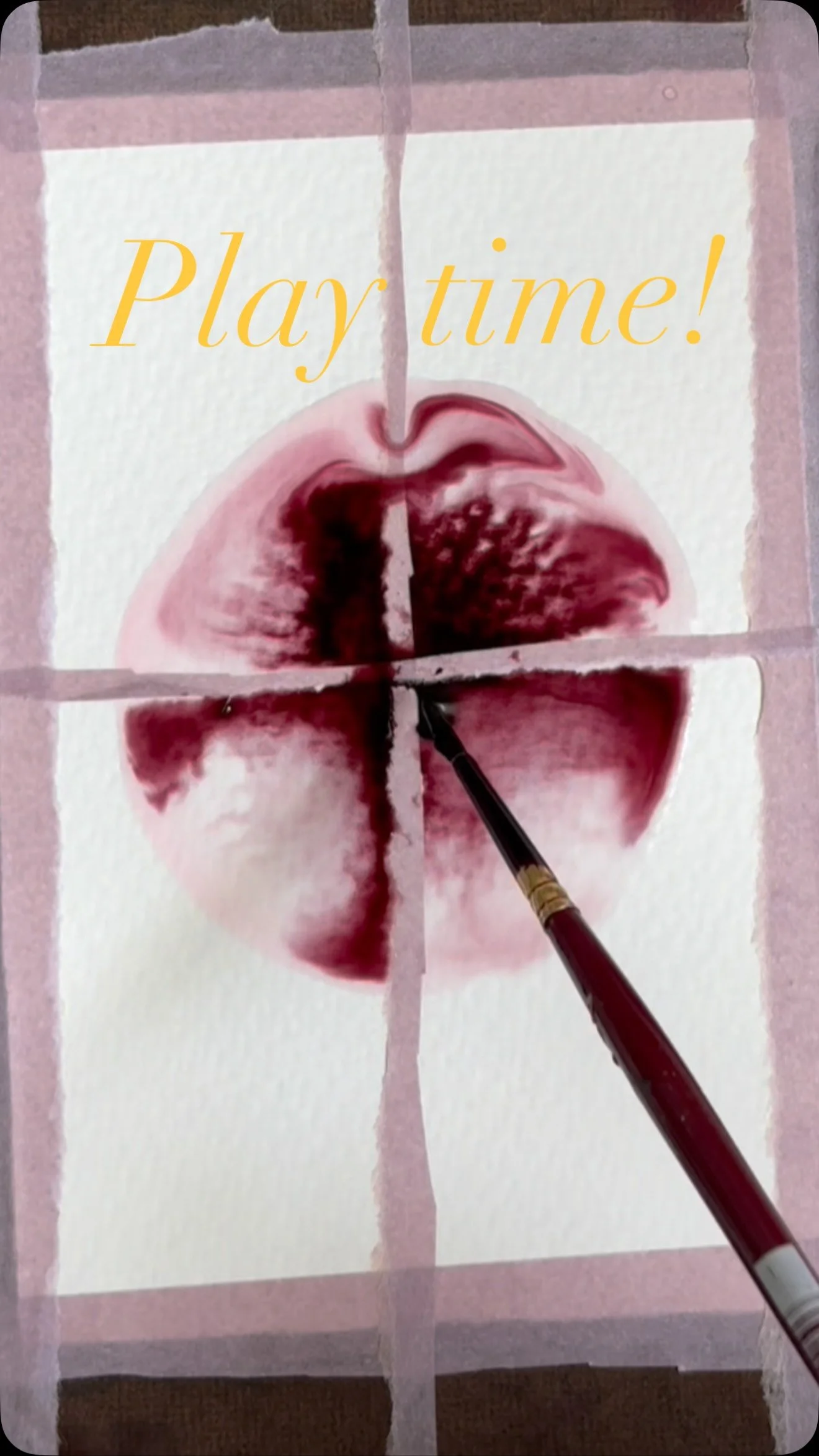
The importance of play, surprise, and wonder never leave us no matter how old we are. Artists of all ages can benefit from this beautiful yet simple approach to making art and learning to flow with the river of wonder and imagination.
Waldorf
Handwork
knitting
crochet
stitching
embroidery
wool felting
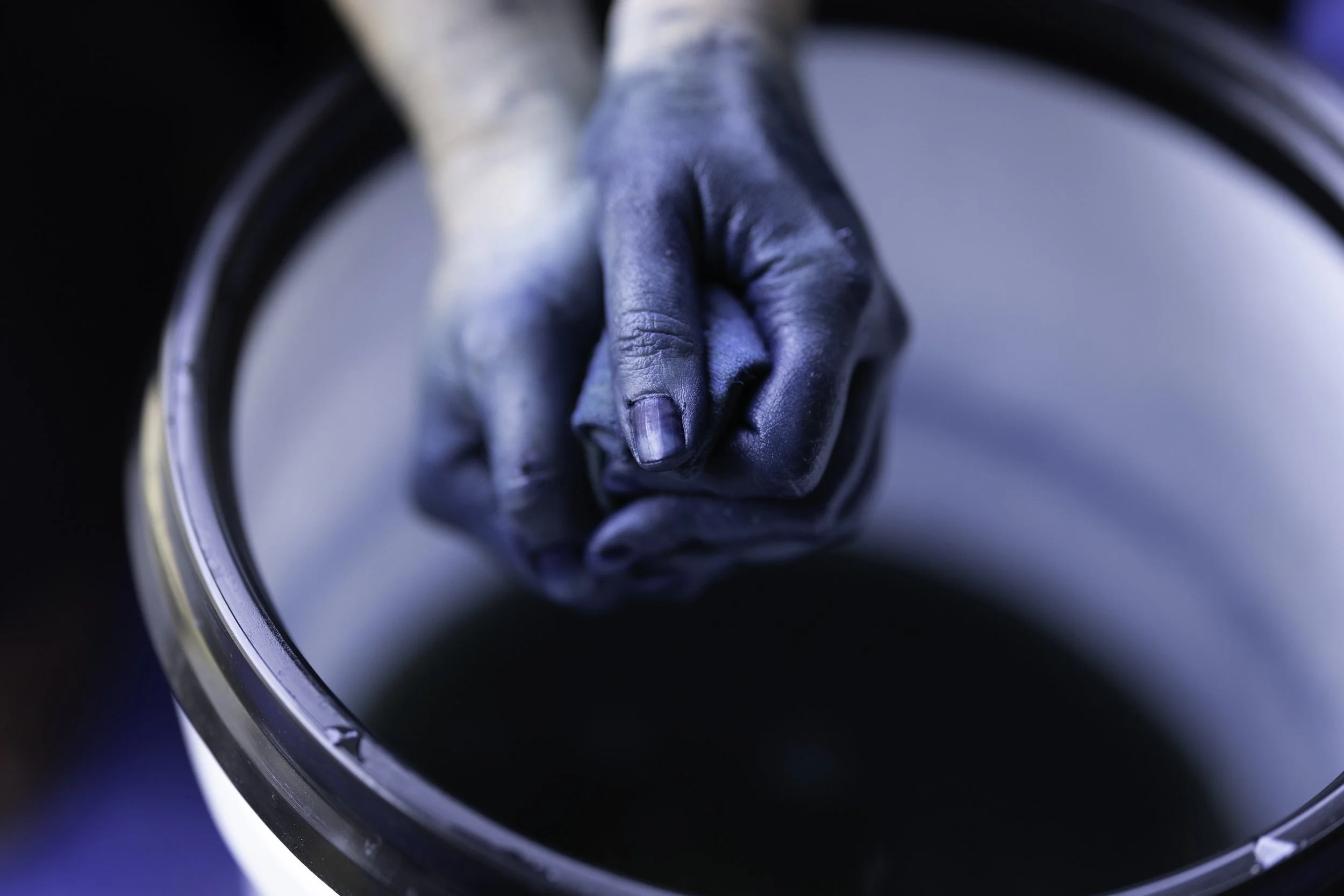
natural dyeing
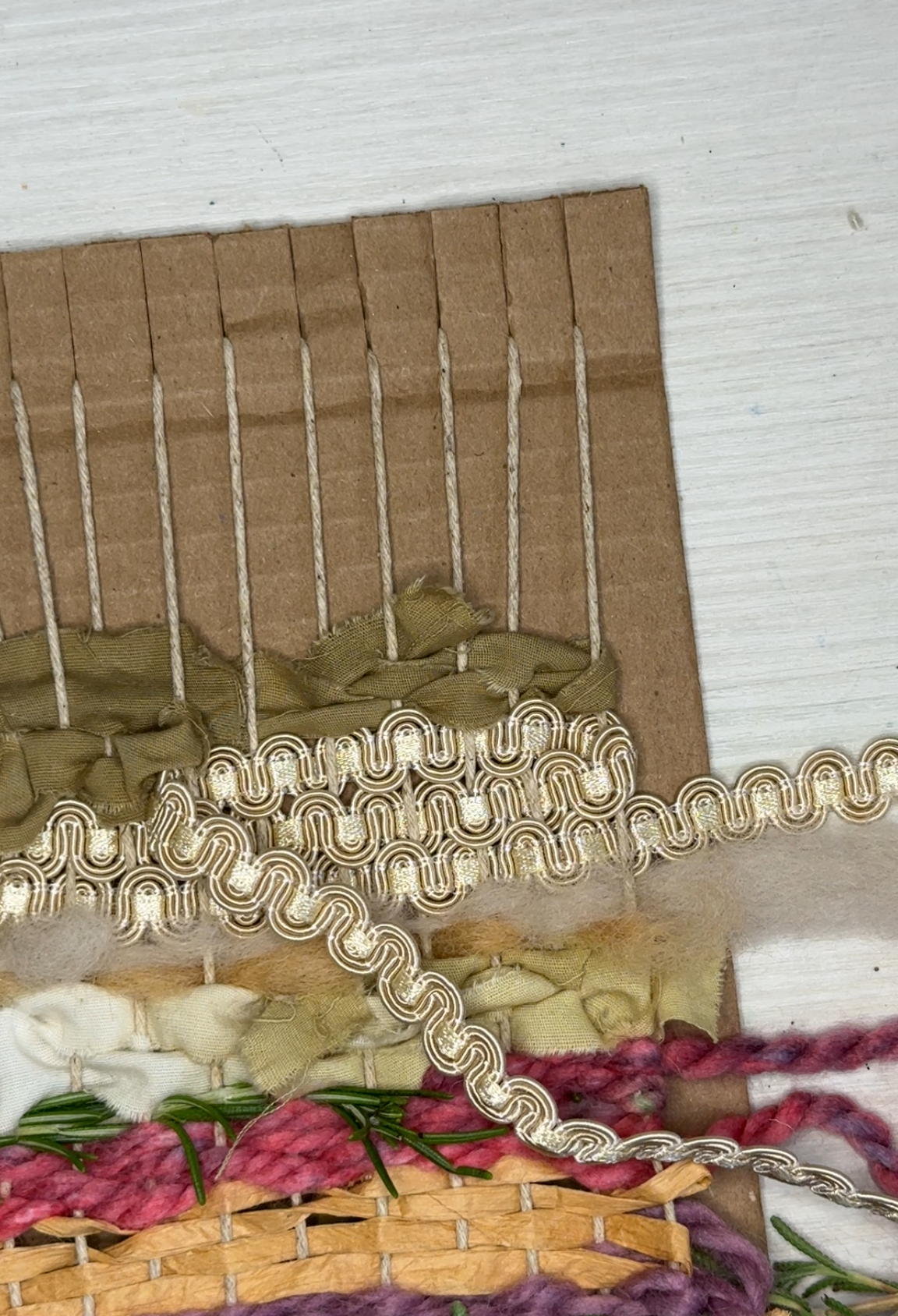
weaving
sewing + mending
machine sewing
Practical
Arts
leather working
book binding
paper-making
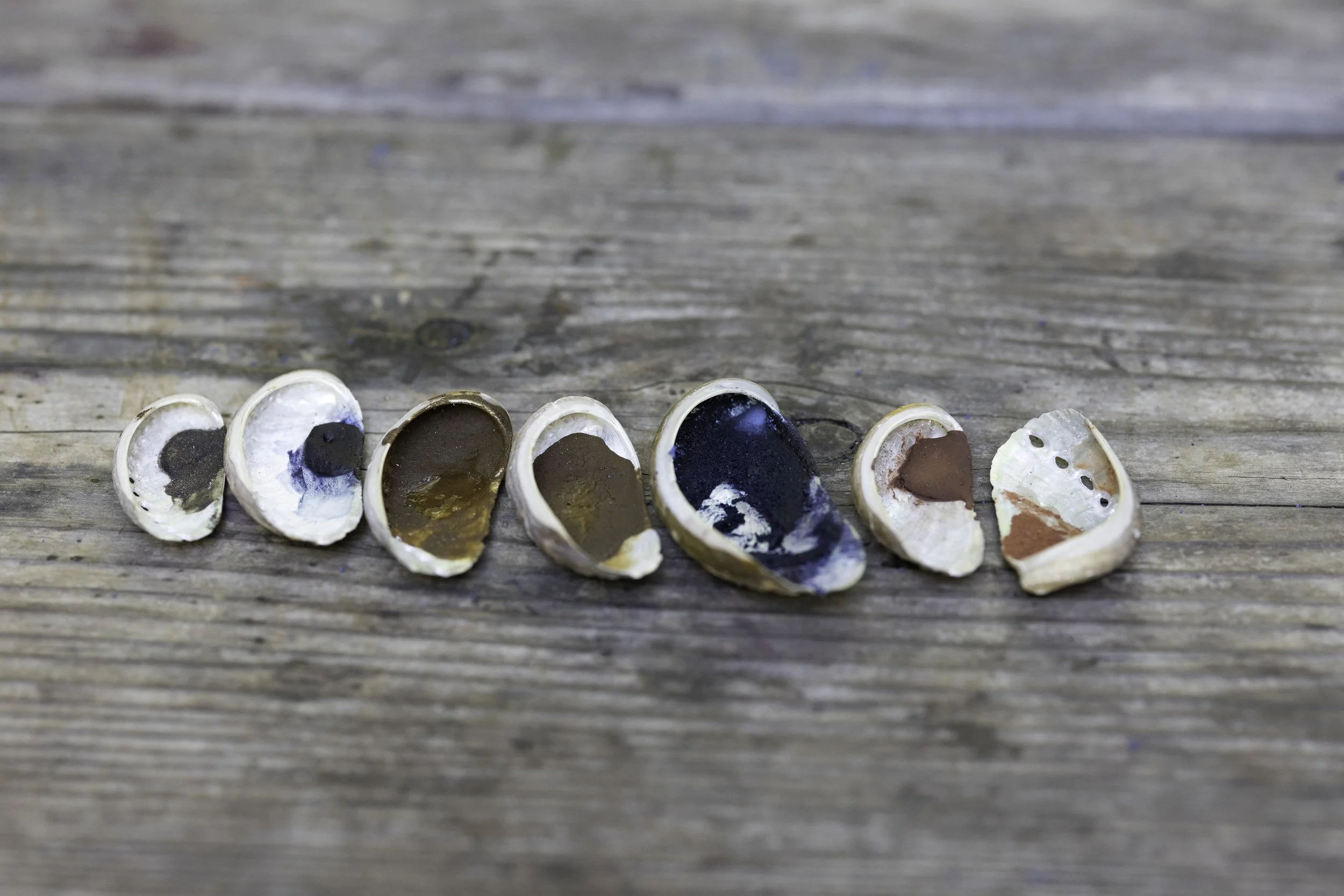
paint making
pigment making
basket weaving
candle-making
jewelry making
mask-making
Fine
Art
value studies
observational drawing
color theory
composition + design
art history
printmaking
watercolor
colored pencil
gouache
acrylic
oil
ceramics + clay
Creative
Computing
photoshop
digital design
illustration
text layout + zines
3d modelling
3d animation
digital storytelling
virtual environments
Unreal Engine
Ages 3-5
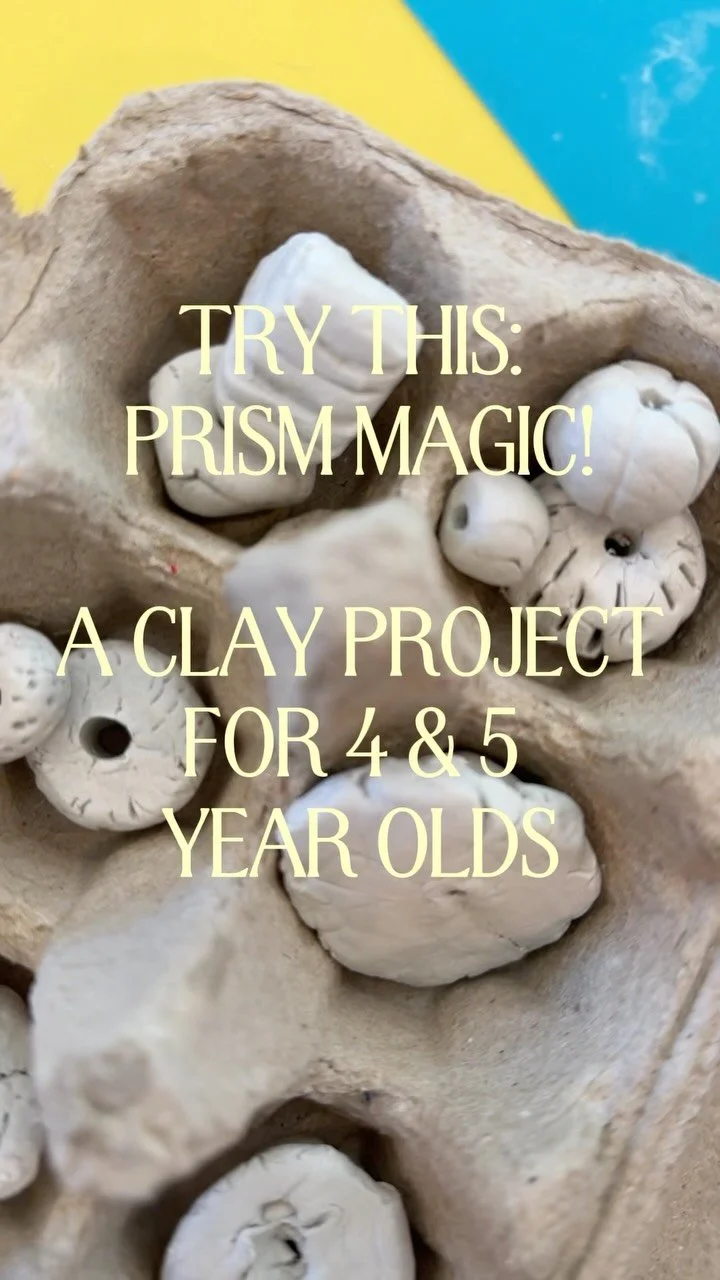
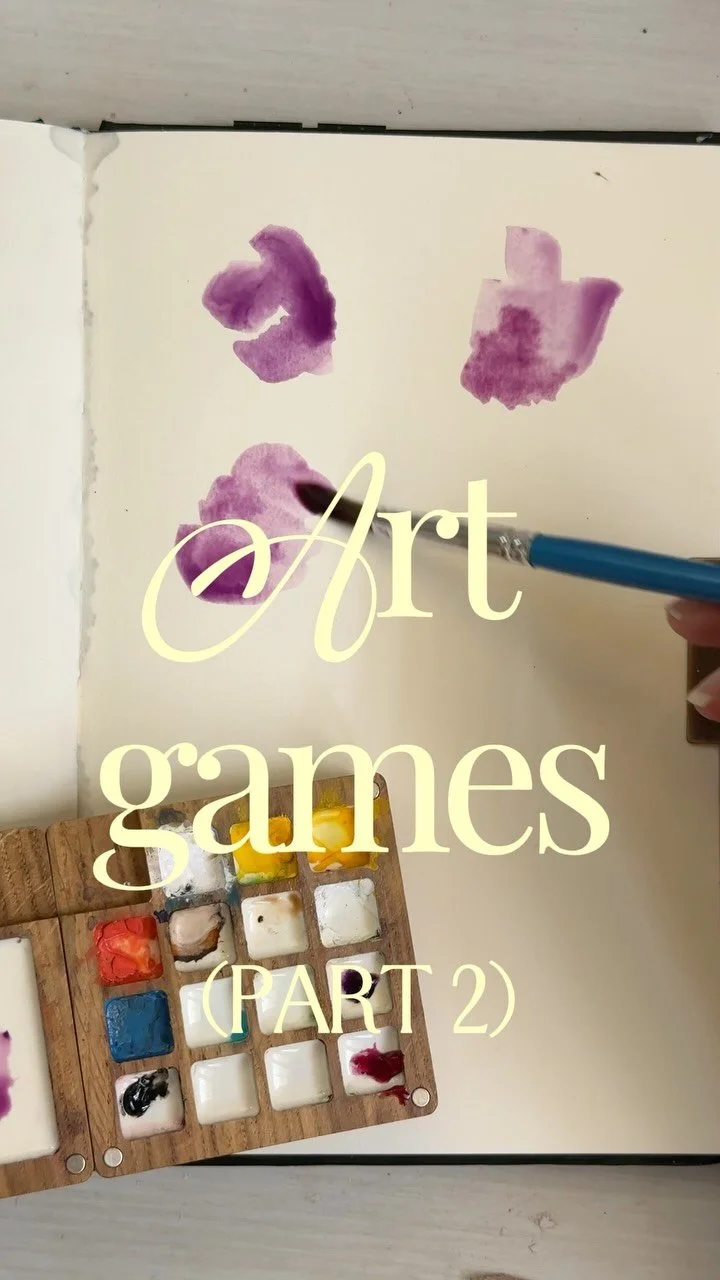
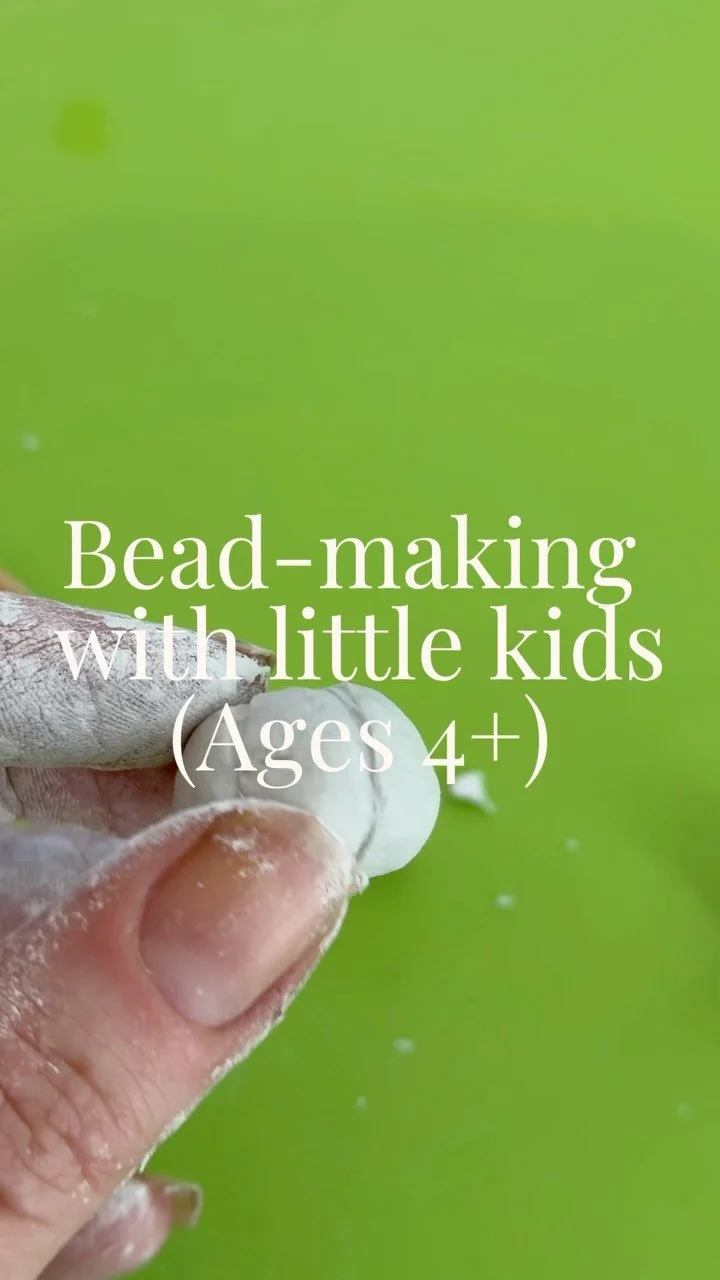
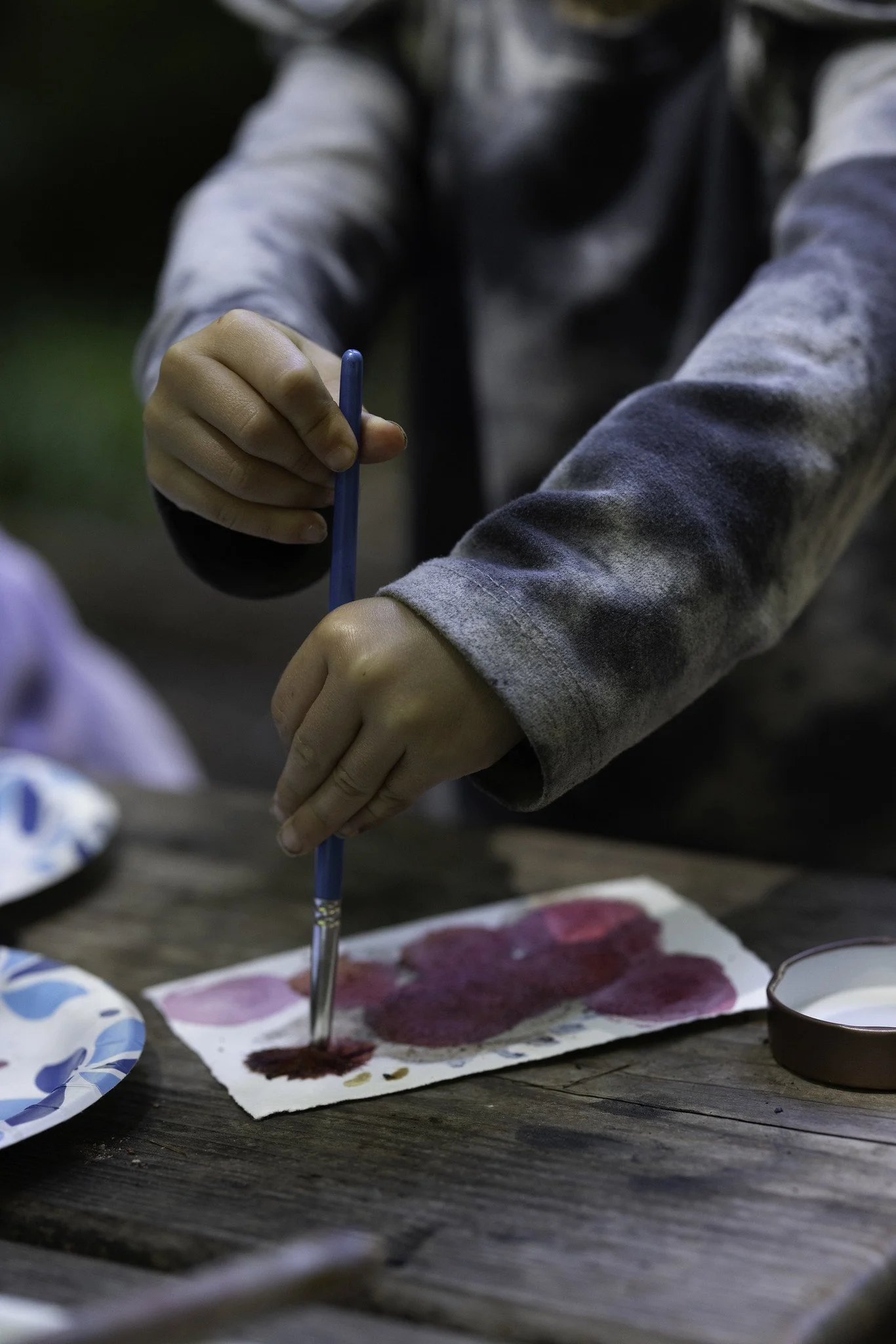
For the littlest artists, I emphasize exploration of materials, sensory play, color, texture, and process. It’s an important artistic foundation to begin understanding process, learning to be patient with the unfolding of things, and allowing space for wonder and surprise.
There aren’t strict expectations on what the finished projects look like - the focus at this age is to be in the beautiful mess of exploration and discovery as a means for understanding the world and themselves.
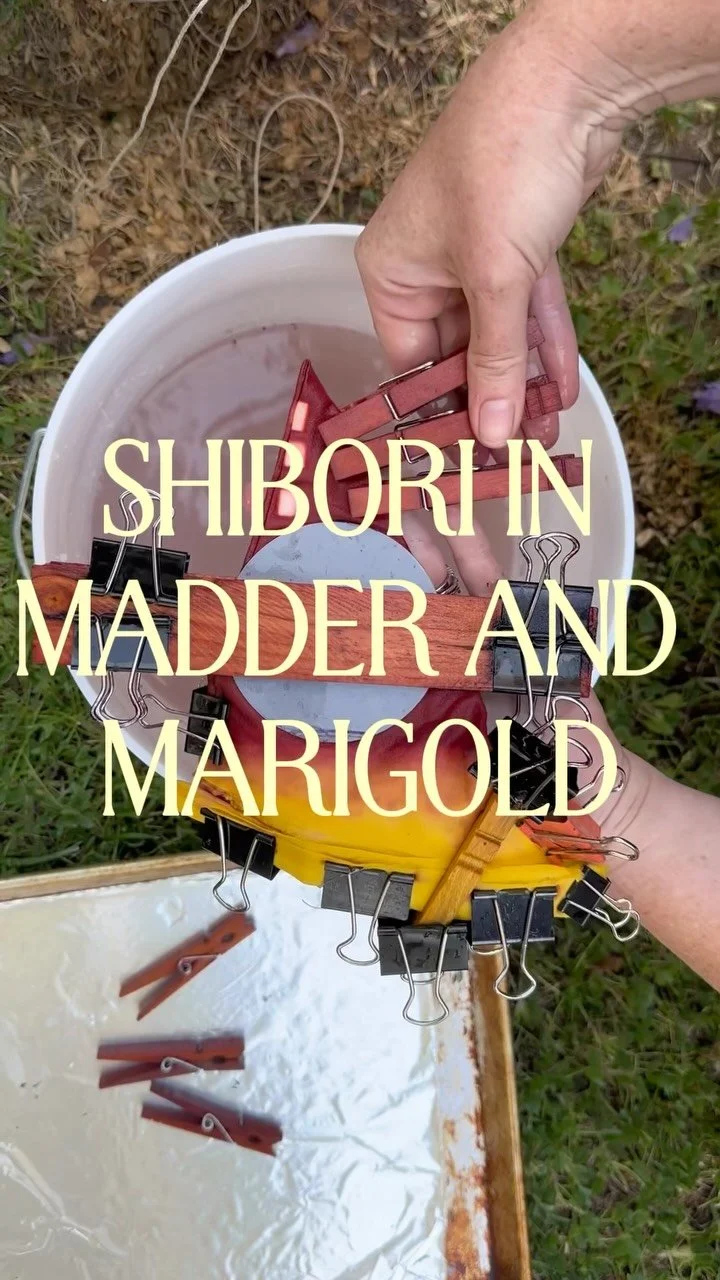
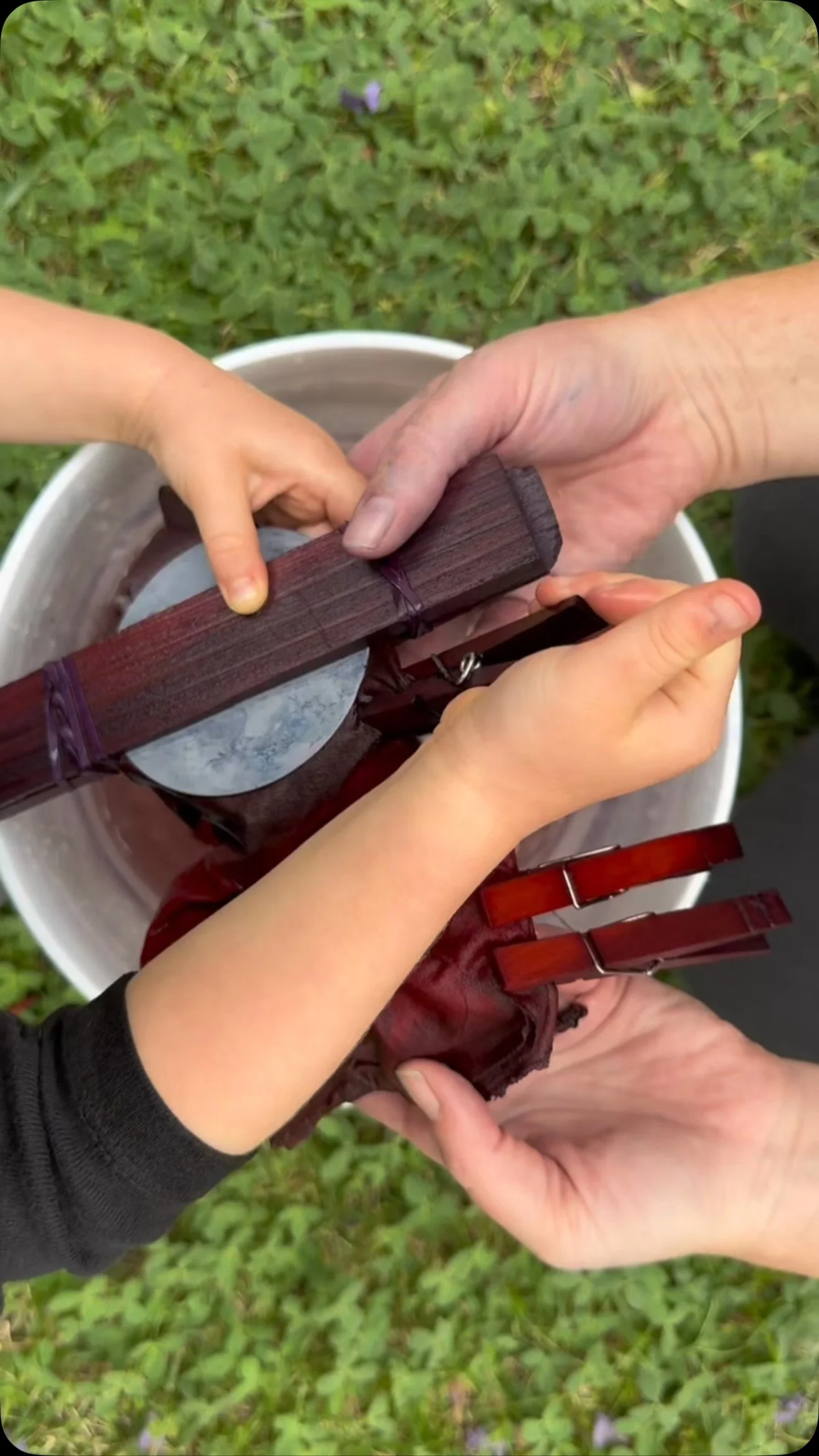
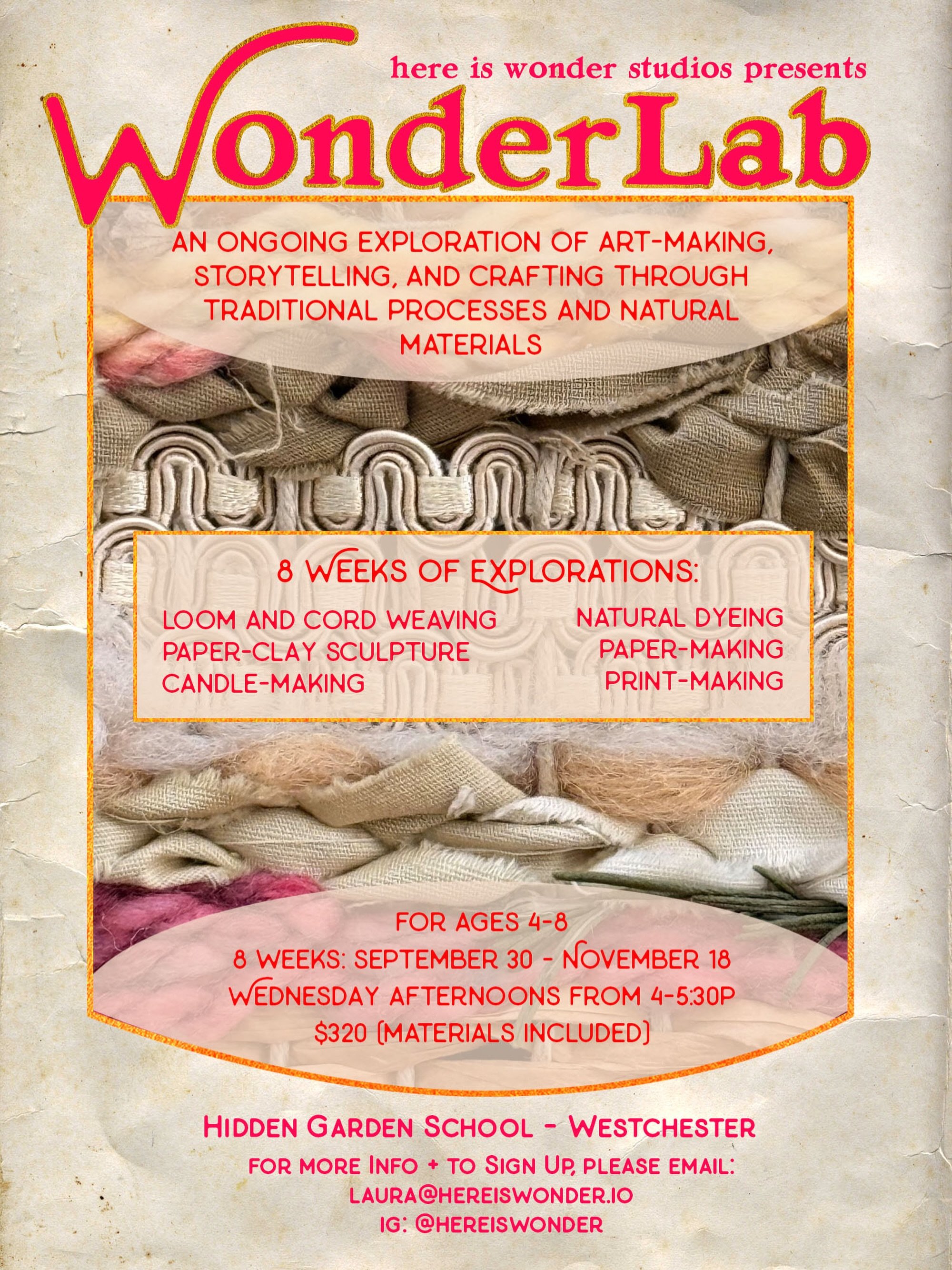
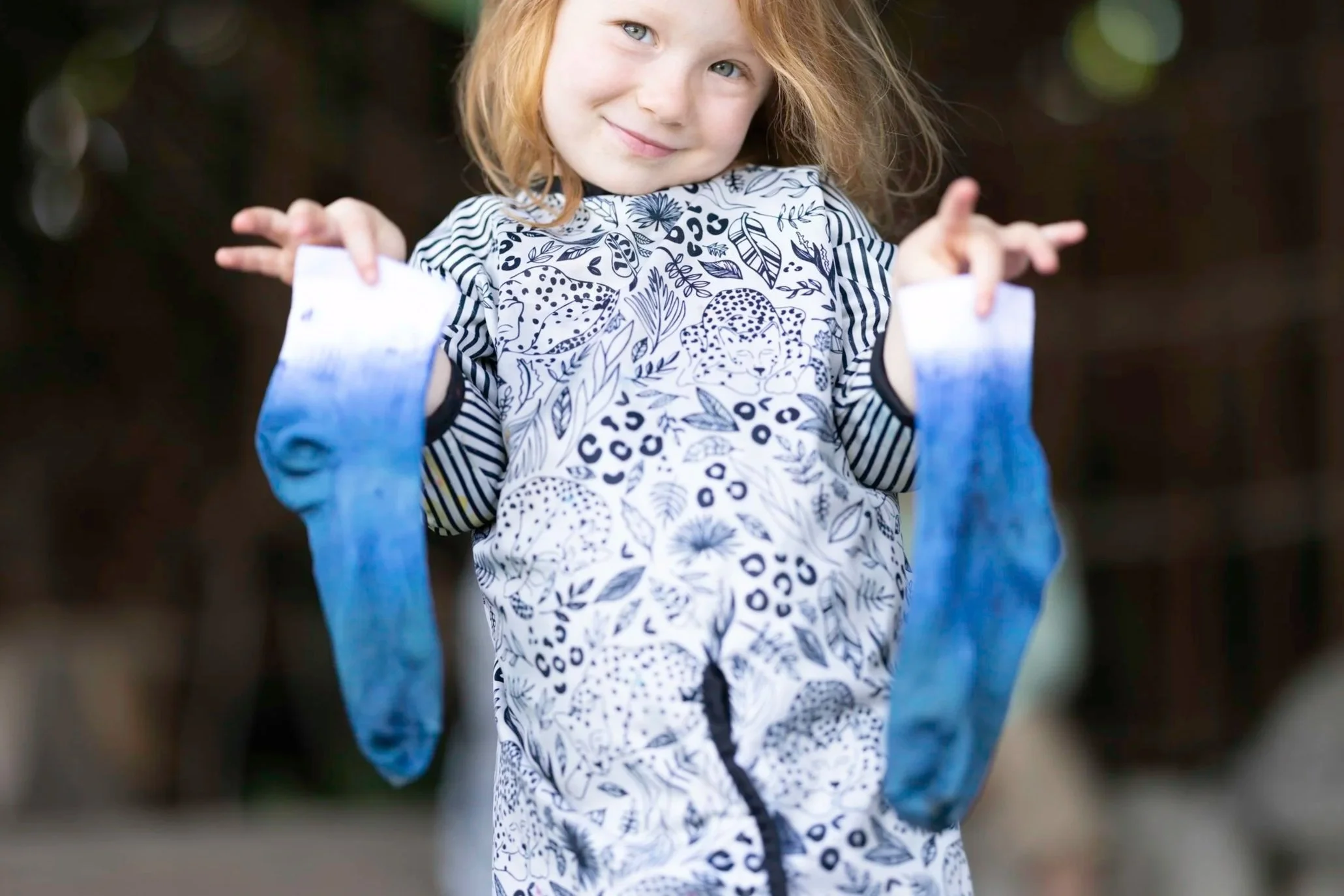
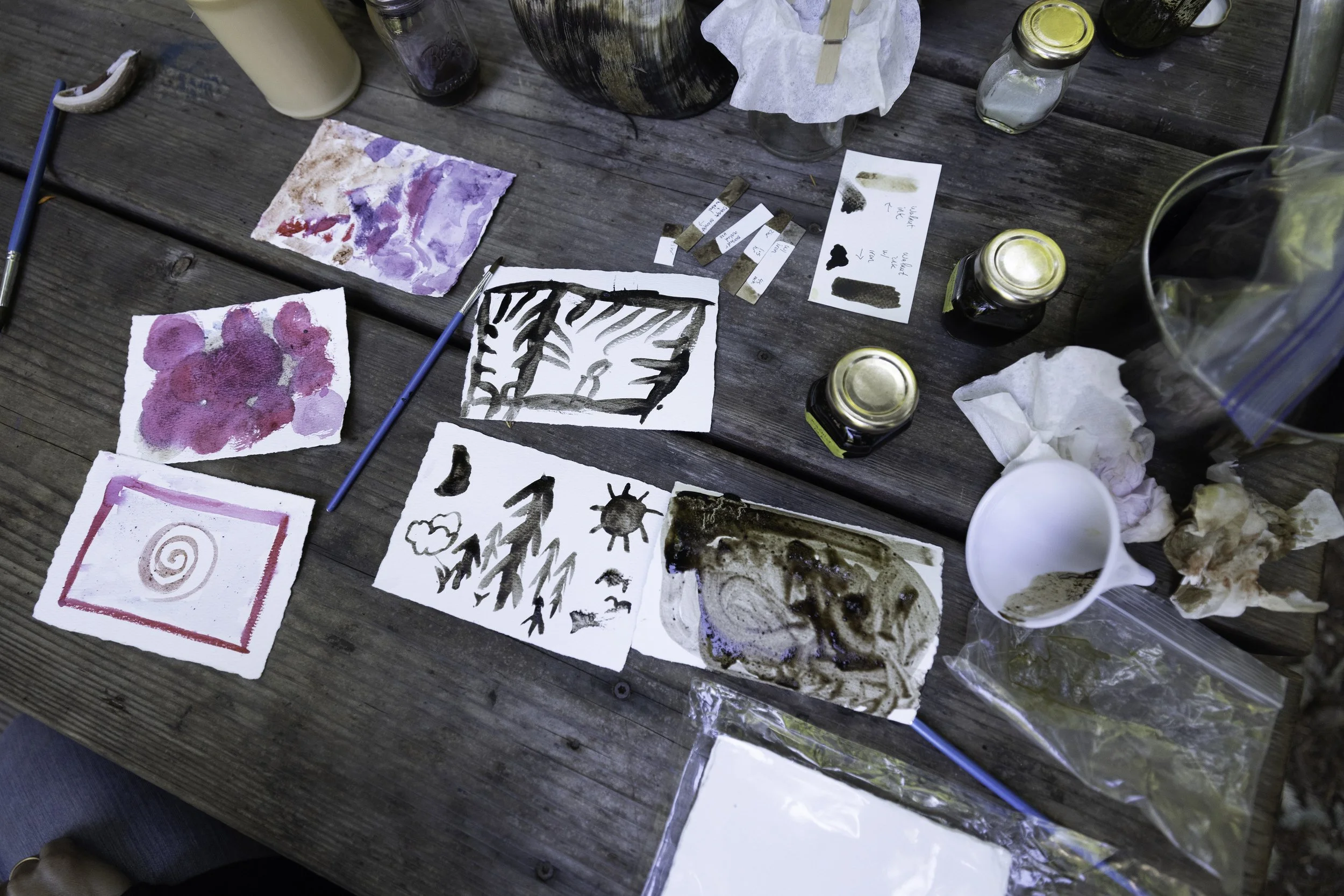
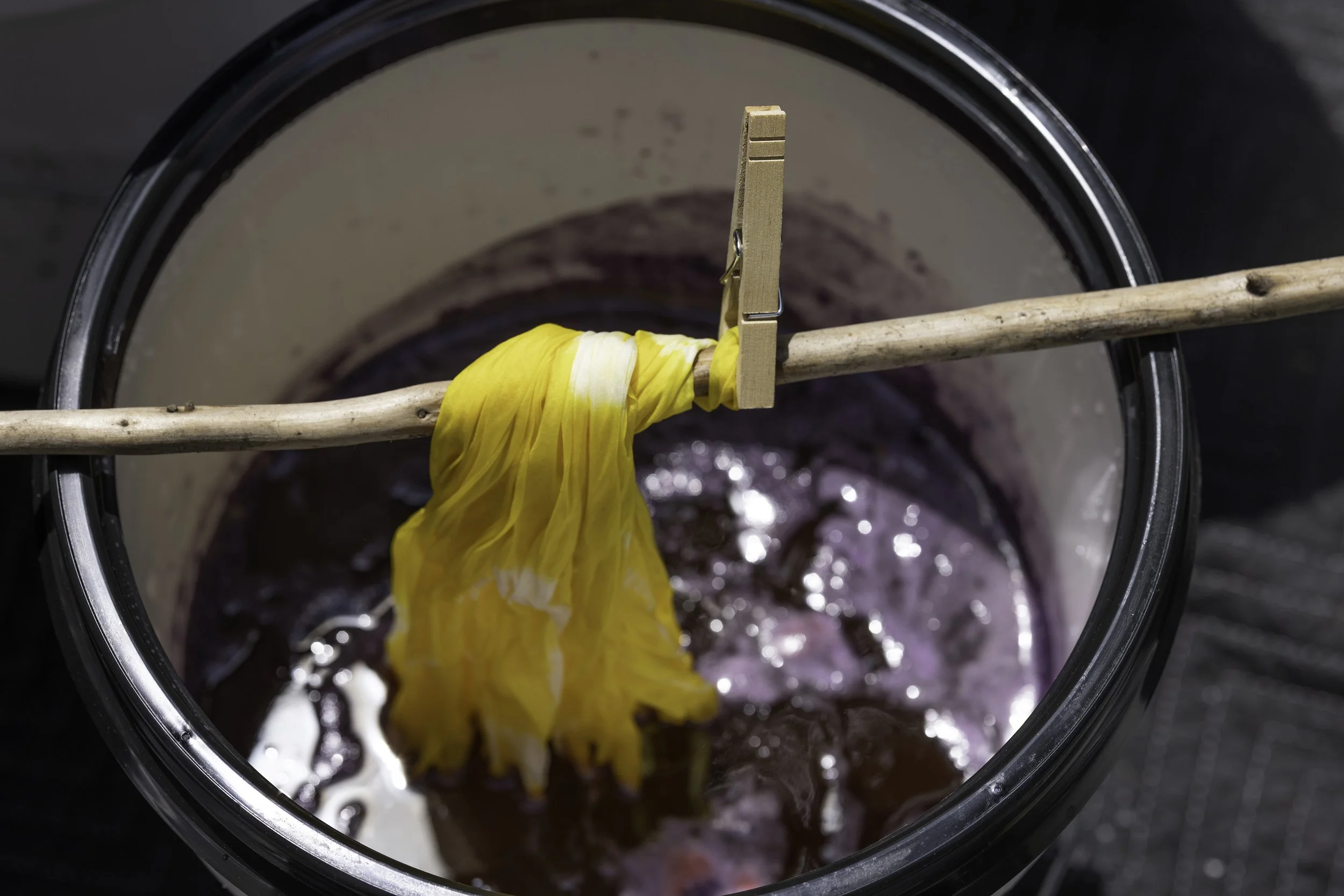
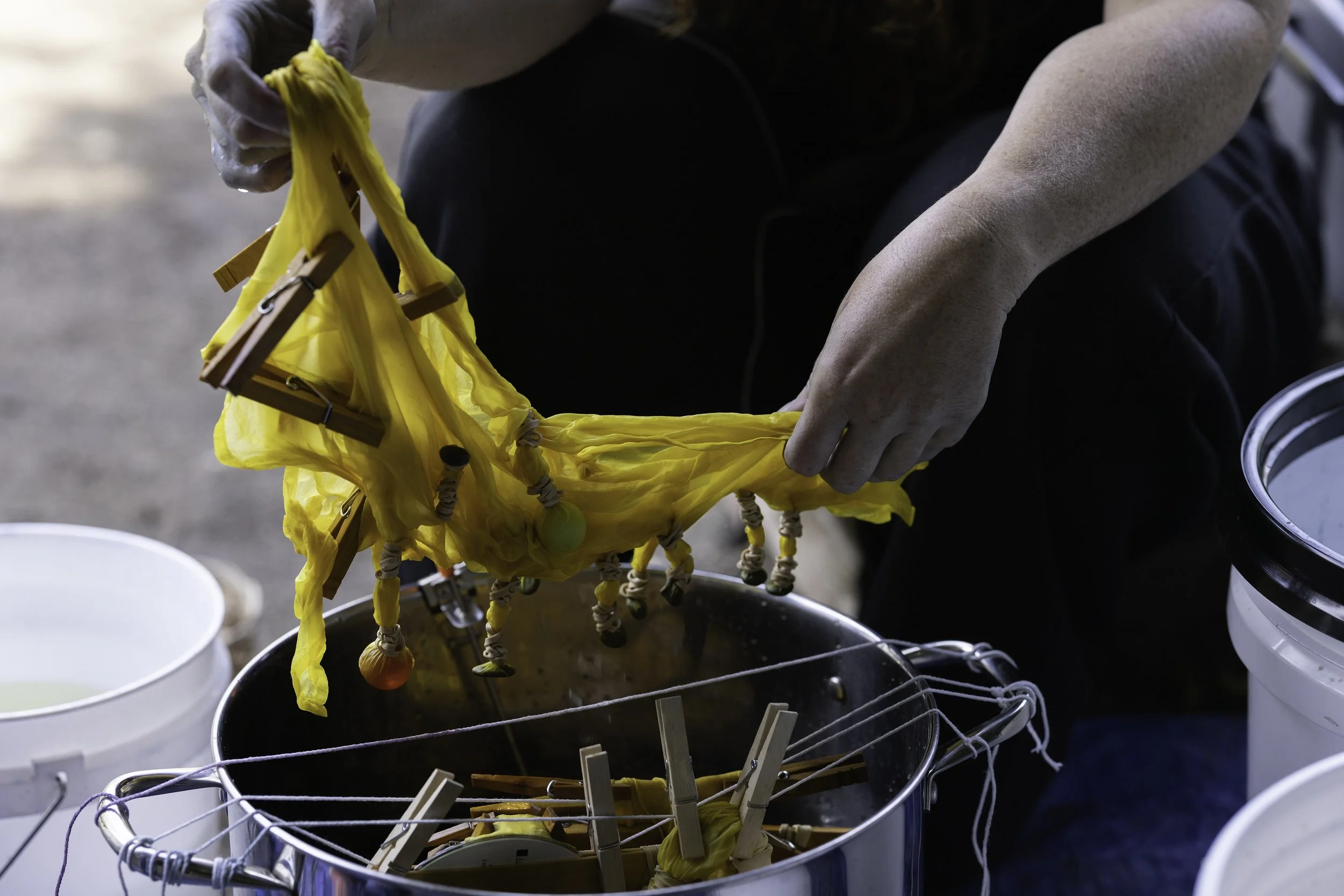
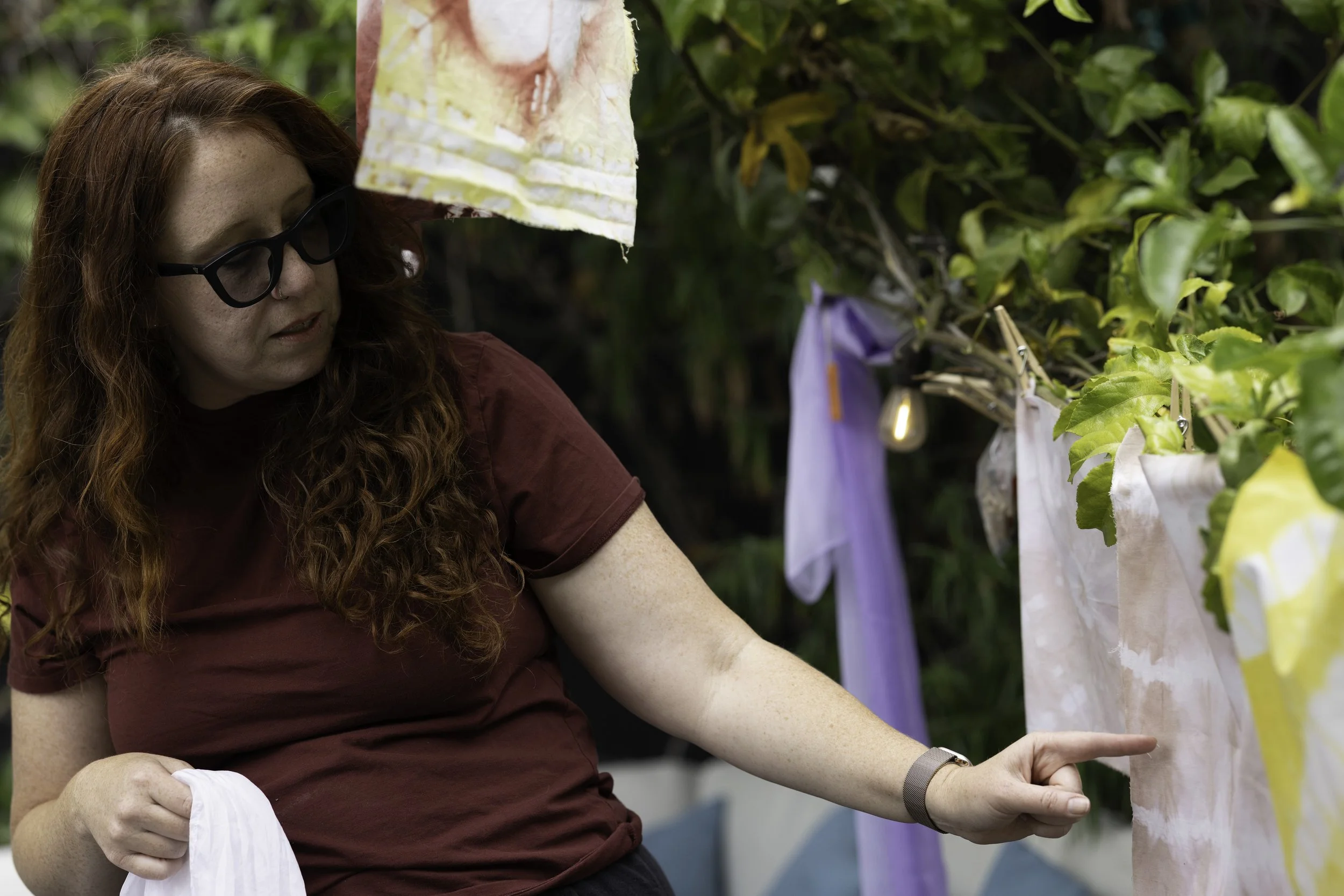
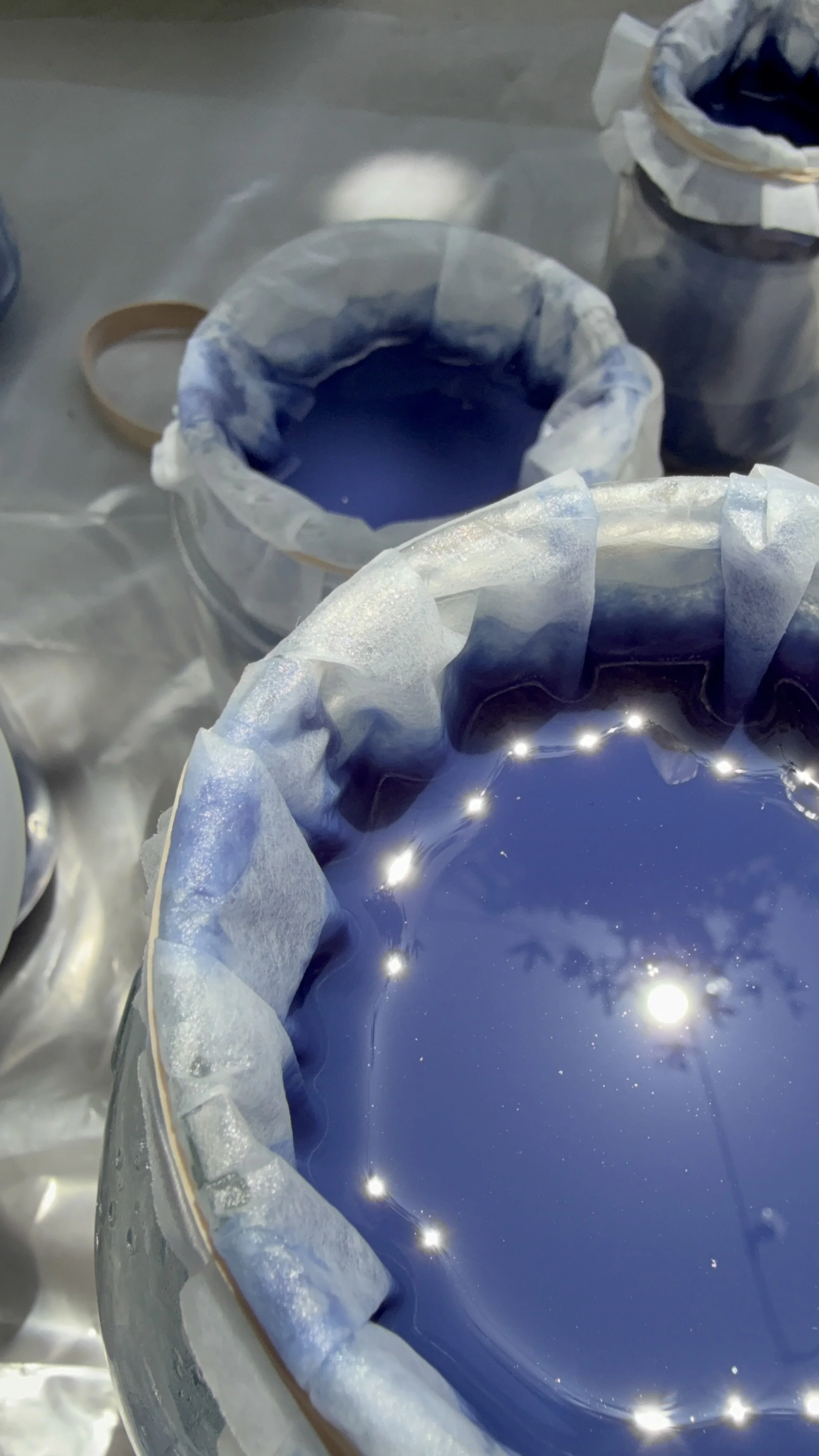
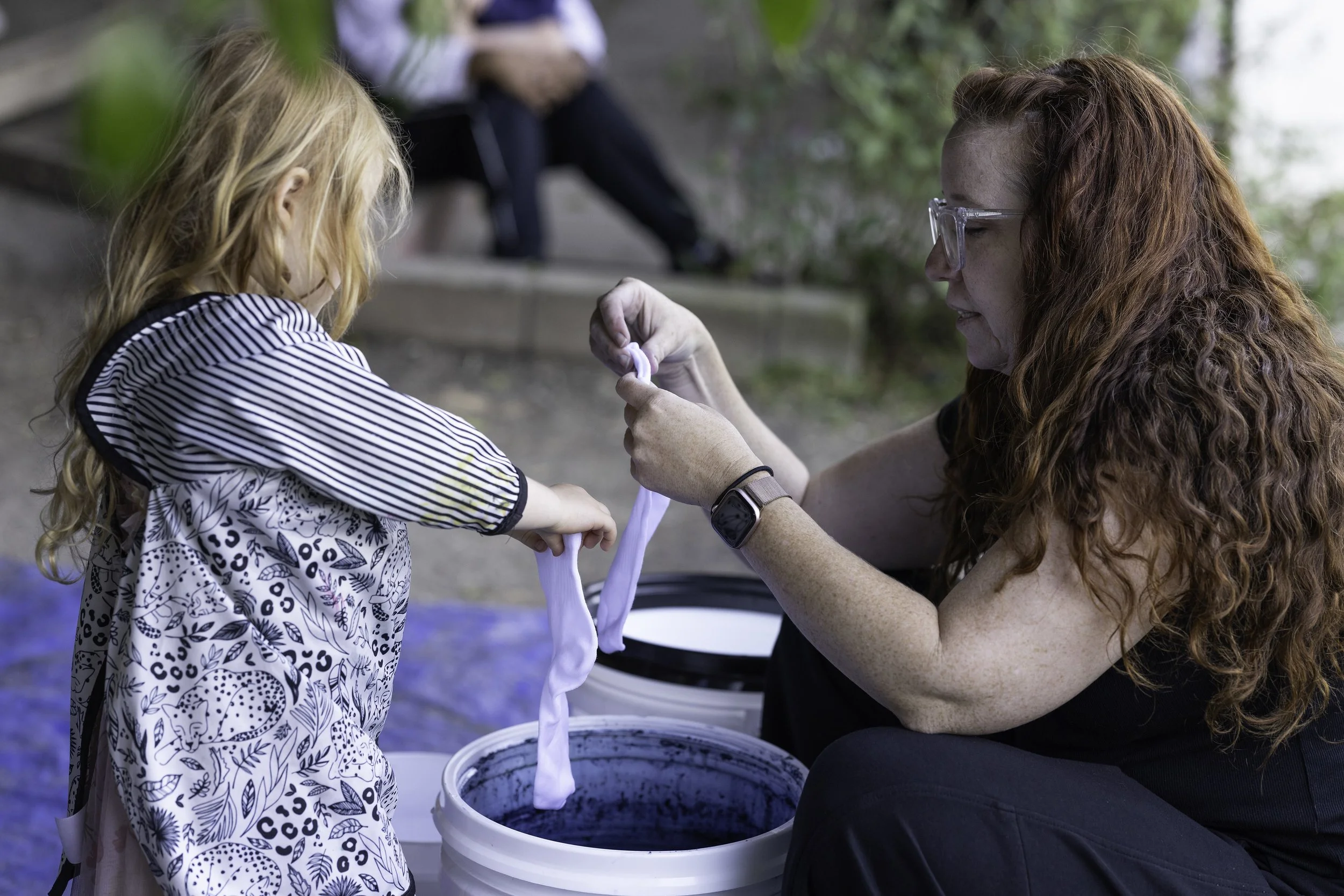
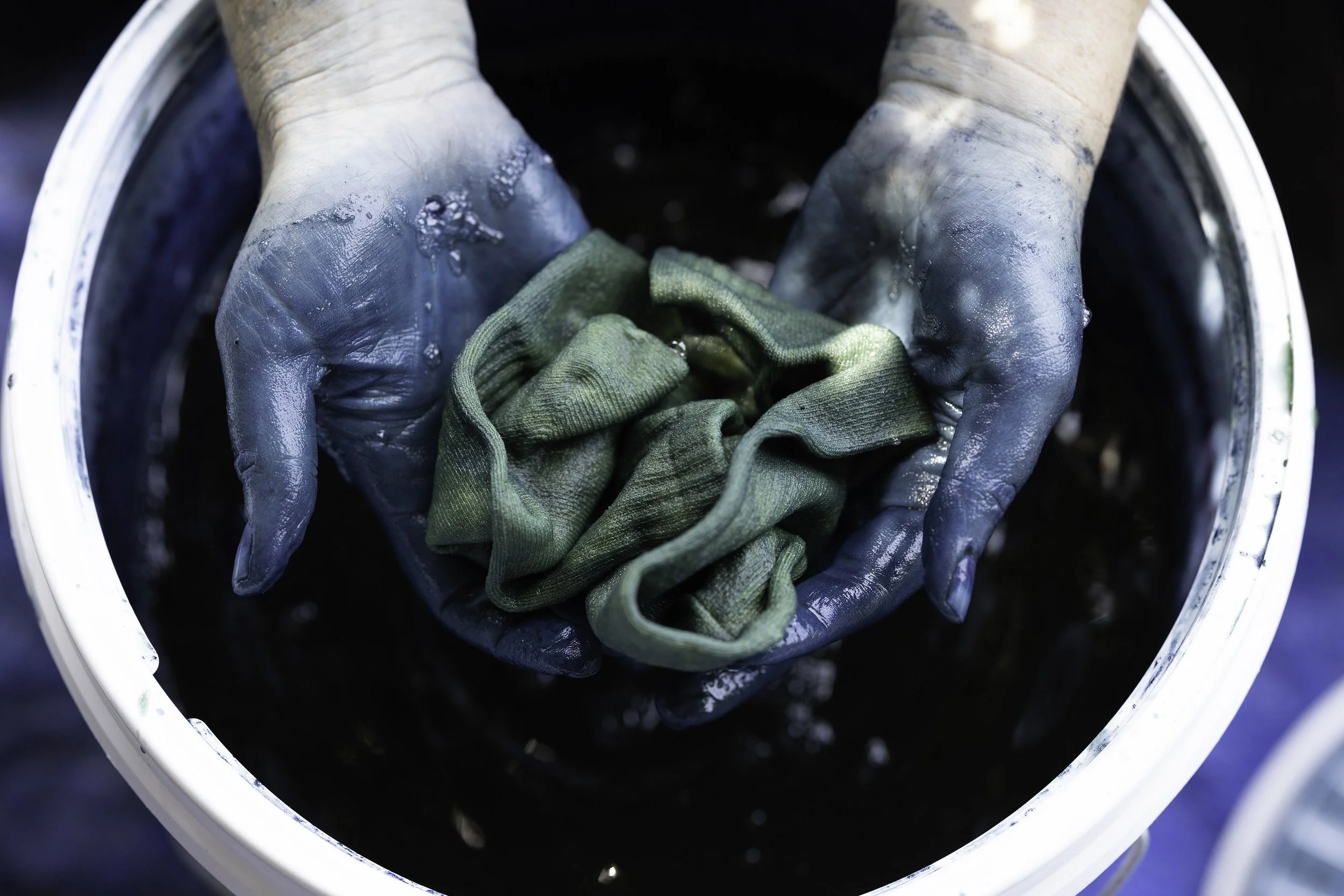
Exploration of natural dyeing is so lovely at this age, and children love to watch the dye come together and to stir the vat. In many workshops we’ll dye our own class aprons or bandanas in our first class together.
Most classes are filled with storytelling and song while the children are working, which creates a lovely environment for focused play.
After kindergarten, children’s worlds begin to become more concrete and defined. In this way they are interested in things that are a bit more complex, and are ready for work that is a bit more structured.
Age 6 in Handwork, knitting is introduced through simple projects like finger knitting, and moving into creating their first knitting projects using the garter stitch.
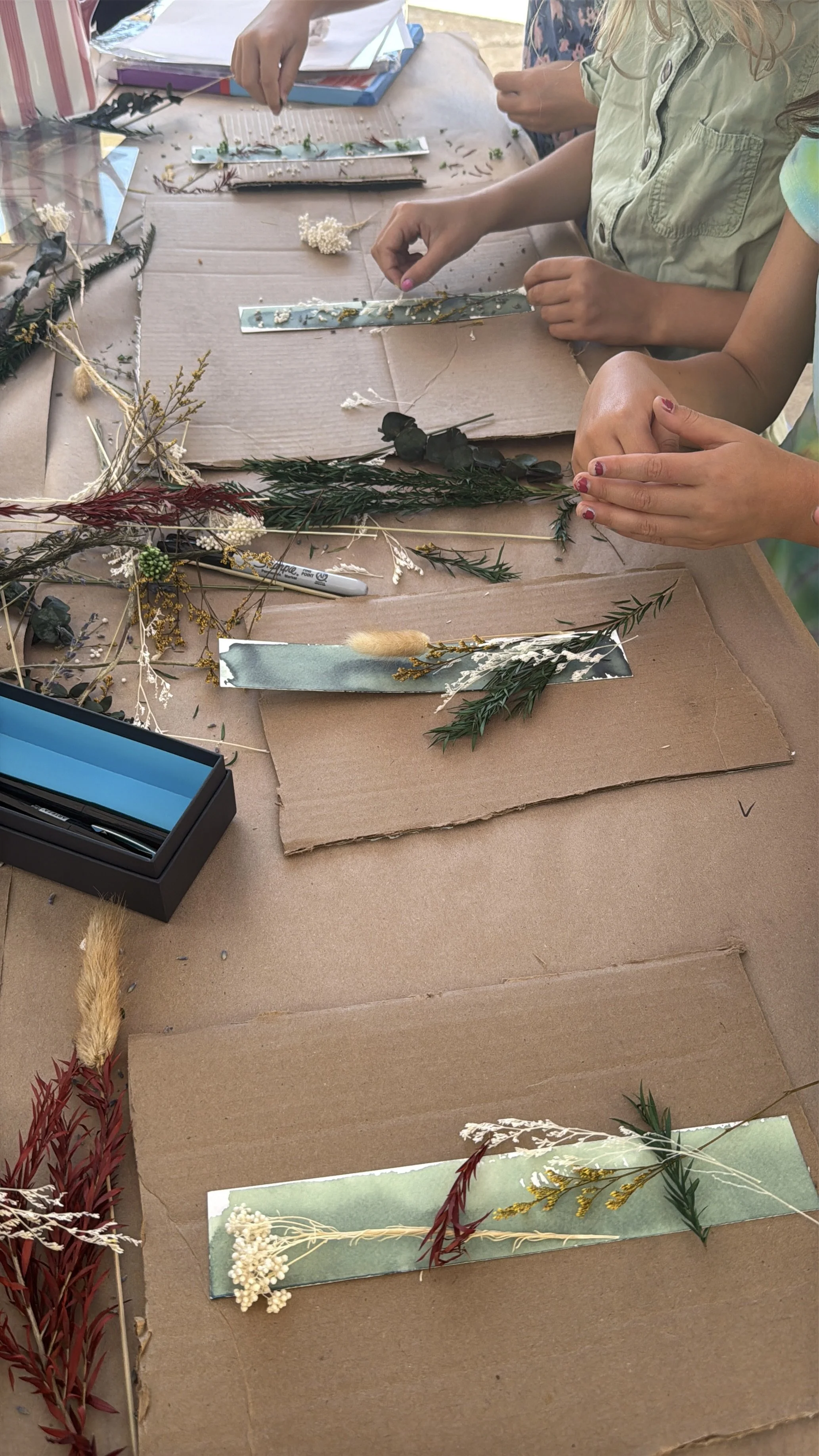
Around age 7 in fine arts, we begin to explore the same projects as we did in the younger ages with slightly more complexity. For example, we might create project alterations with more complex stitching or beading work, clay sculpture with more detail, weaving specific patterns, or wax resist dyeing or shibori stitching to incorporate drawing and linework to our dye projects.
Ages 6-10
As students enter the upper grades and middle school, they become more interested in the world outside and their relationship to it, they are figuring out their identities and the structures of the world itself.
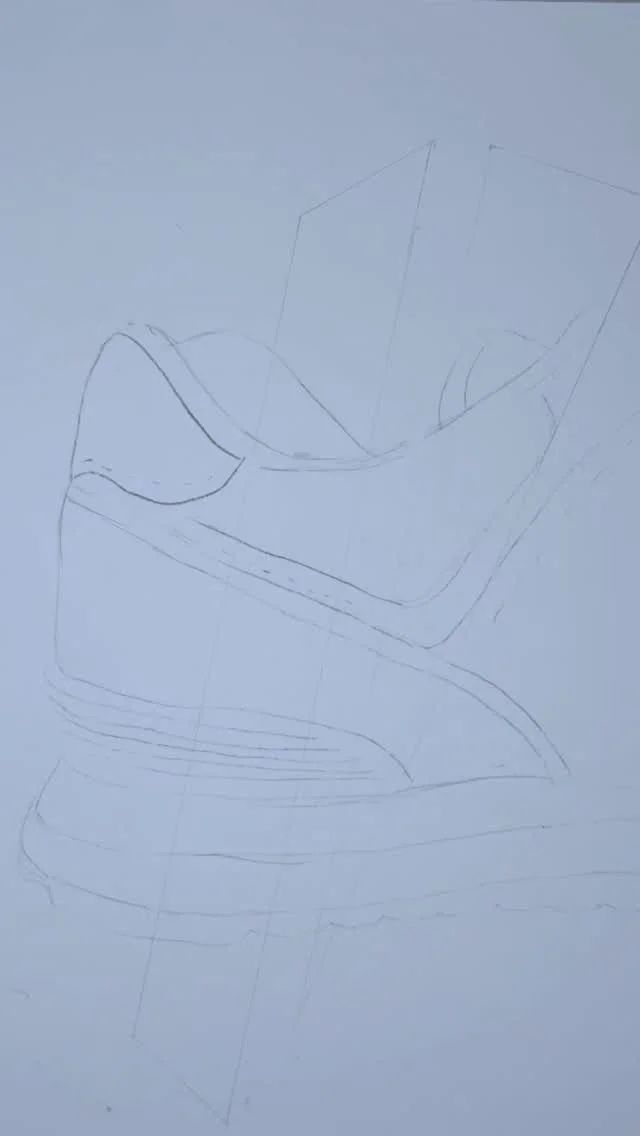
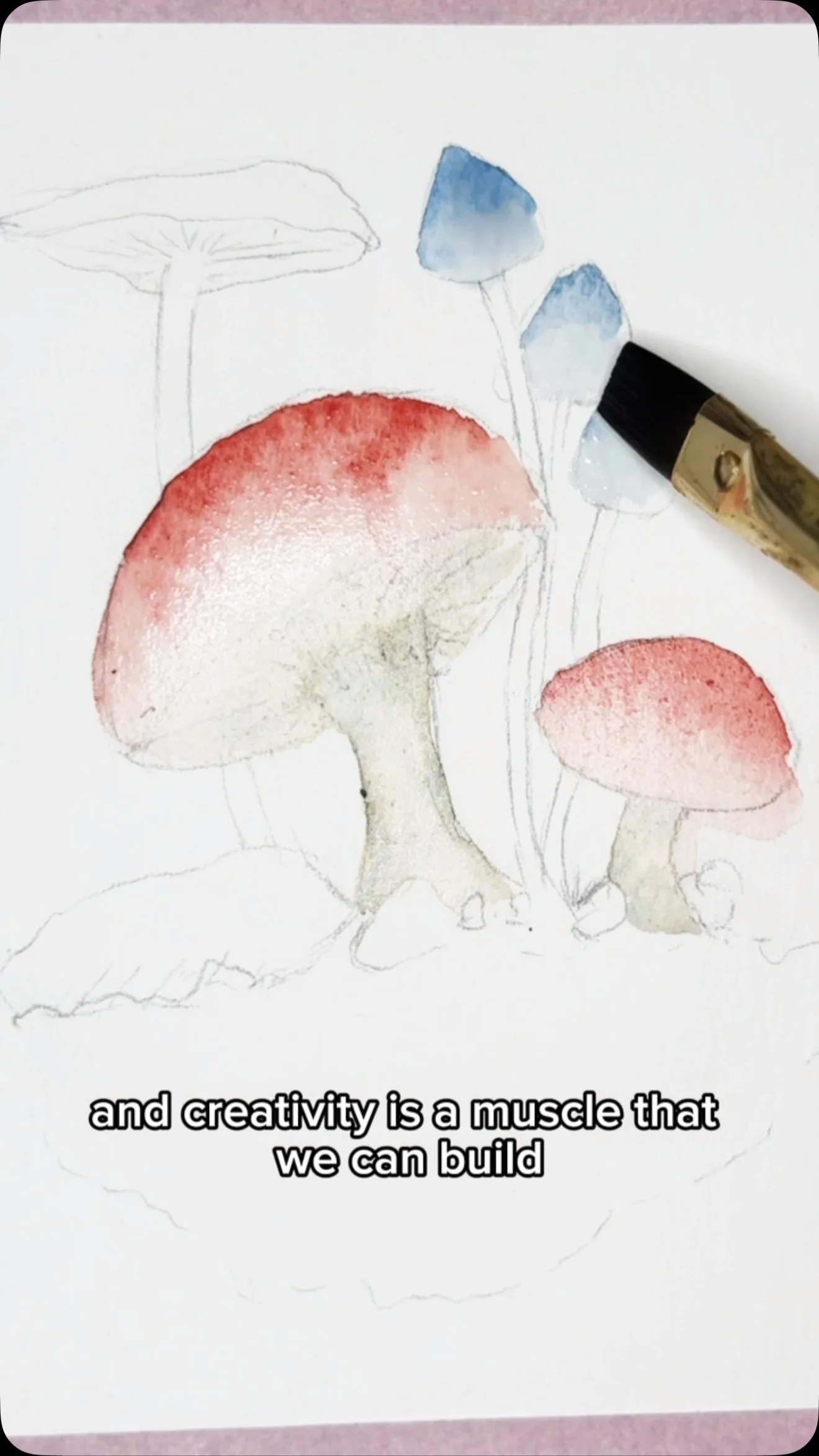
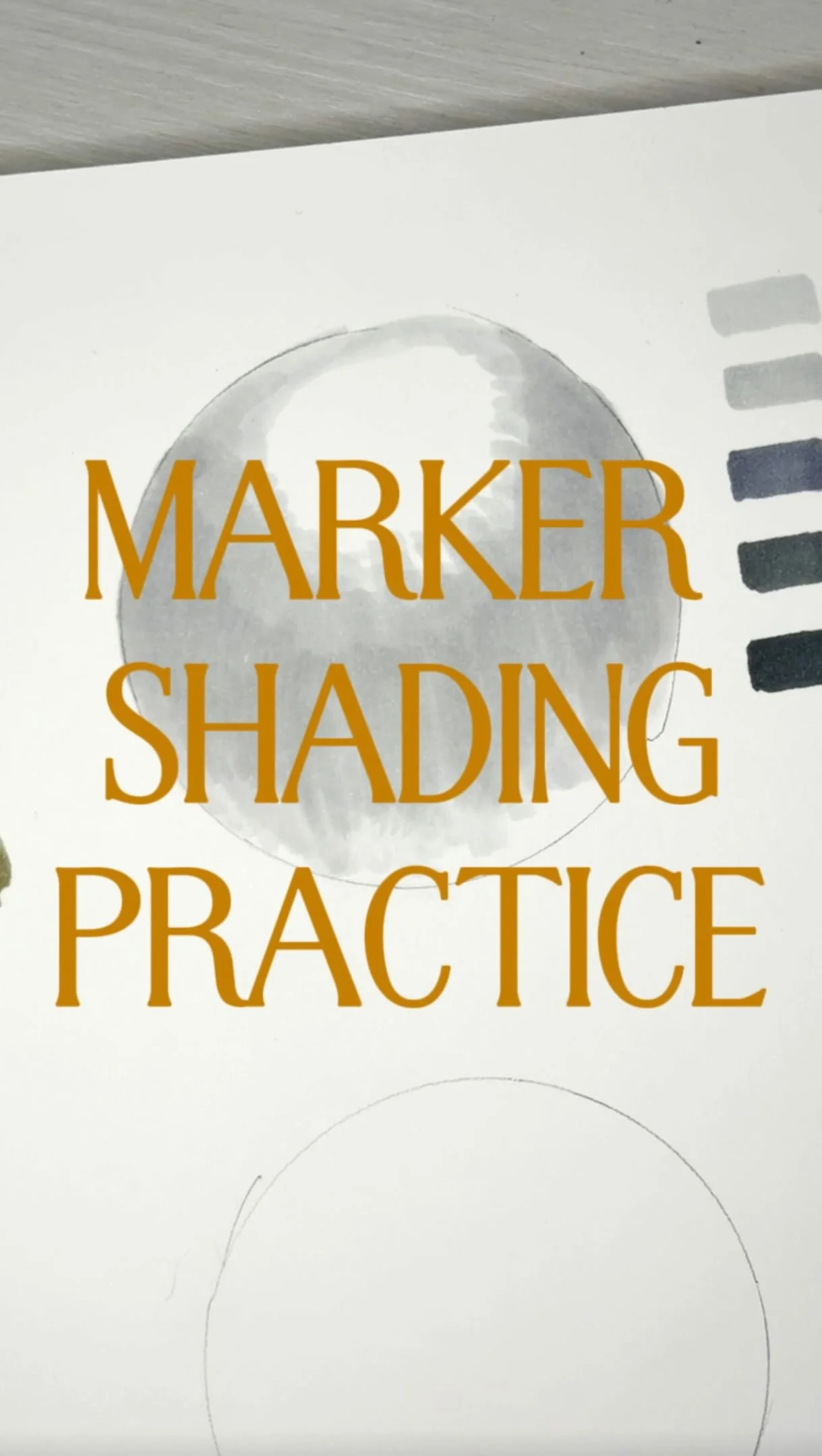
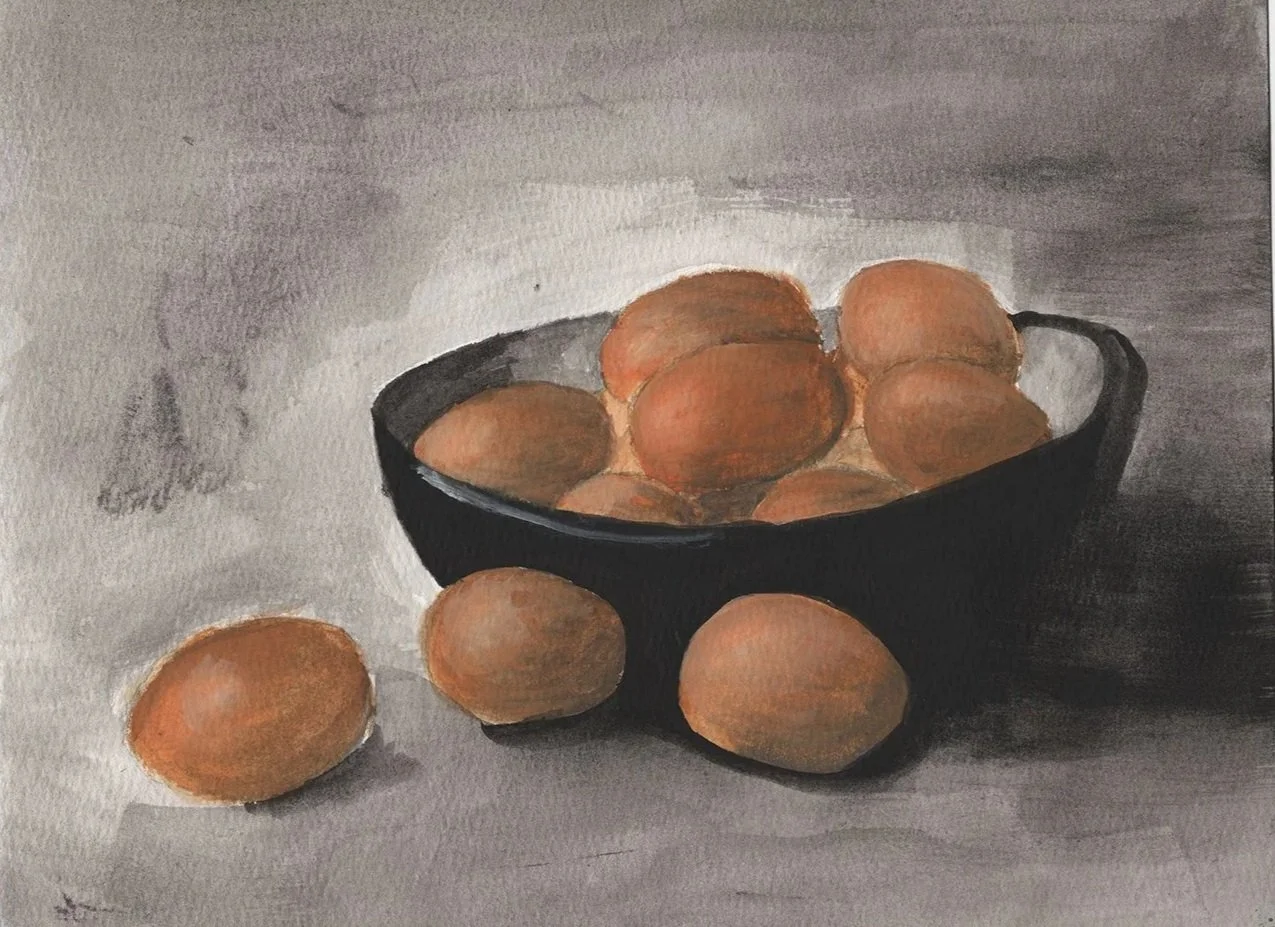
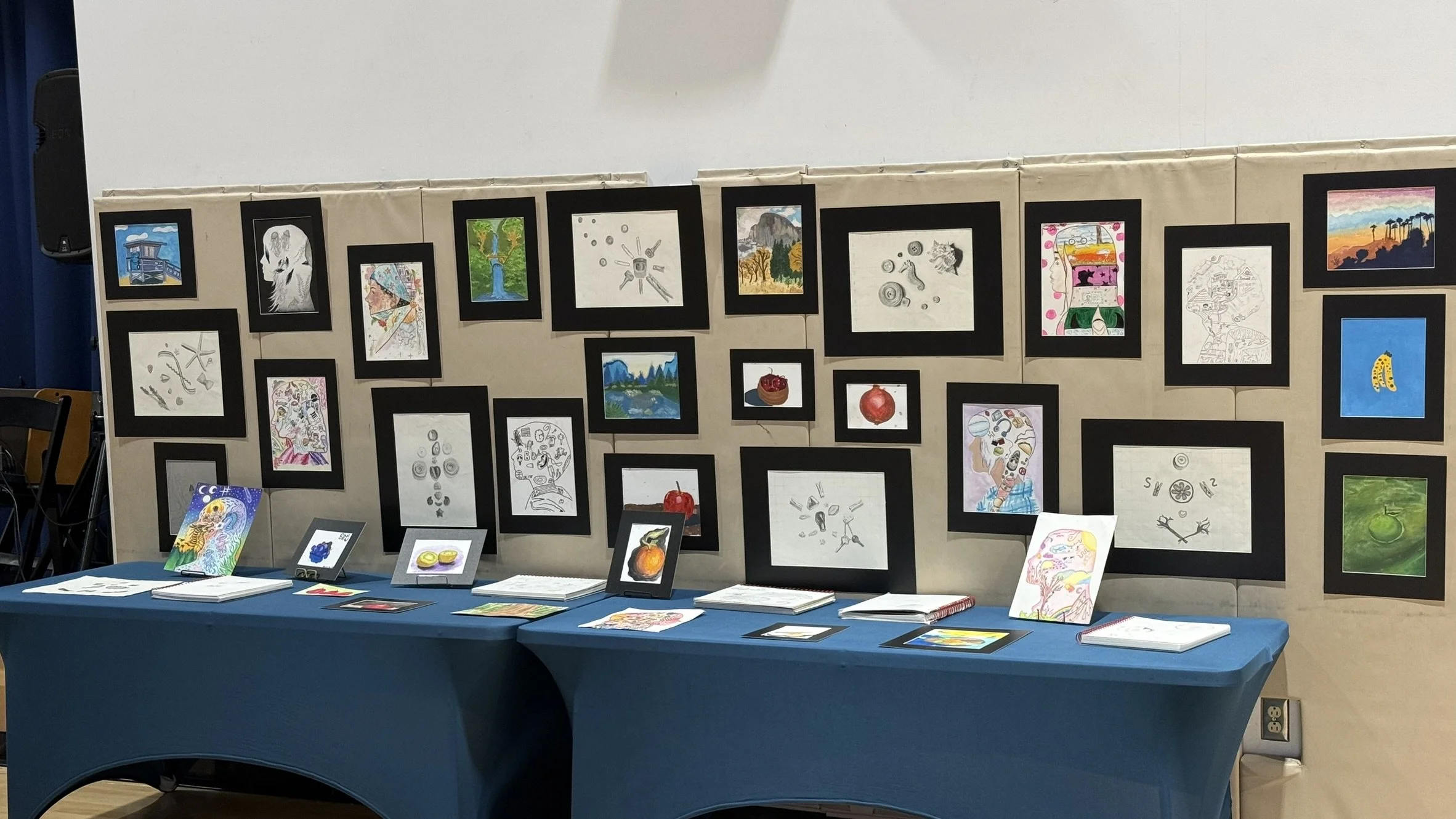
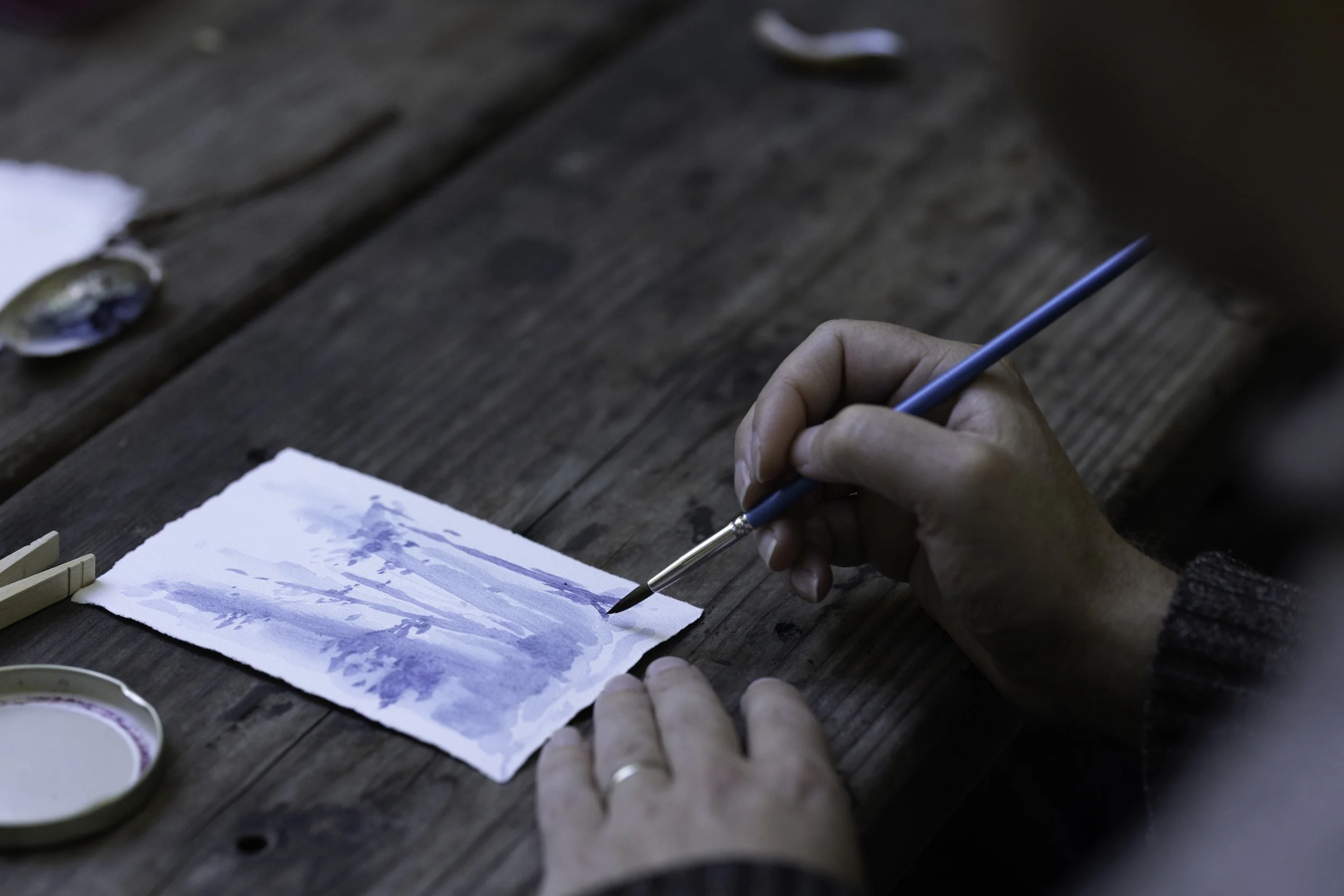
In the fine arts, we begin our traditional art curriculum. First we look at value and form - studying value scale through still life studies in charcoal or pencil. Next, we learn about painting with opaque paint like gouache. We look at the technical aspects of painting and build on our understanding of value by practicing underpainting, and then learn about color, the color wheel, and basic color theory. We work on paintings of simple scenes, advancing to more complex scenes and architecture as our skill improve. This is also a wonderful time to work on self- portrait projects, as students explore their own identities and place in the world.
In handwork, this is held through projects that require focused attention, such as hand quilting, and the first introduction to the sewing machine and a simple pattern.
Ages 11-14
Ages 14+
As students enter high school, it’s time to further examine their relationship with machines, and how they can be partners in our art-making explorations. In traditional handwork, we broaden our skills on the sewing machine - how to use it, work with it, and most importantly - not be afraid of it! We learn how to interpret, cut, and sew more advanced pieces of clothing for our own bodies - like a collared shirt.
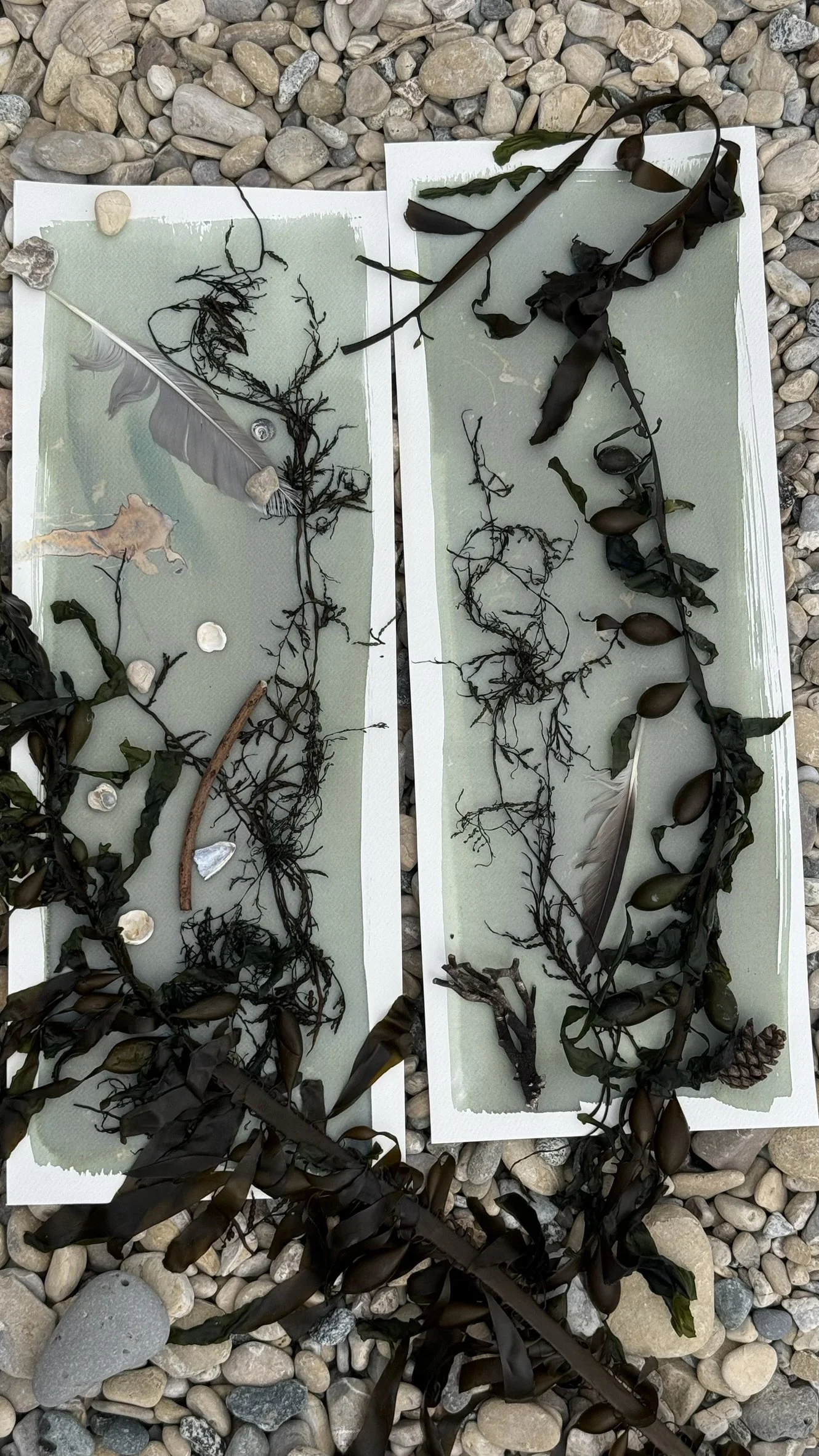
In fine arts, we introduce digital art - starting with photoshop and venturing into other territories of digital art creation such as animation and 3d modelling.
Both of these tracks emphasize the human creative impulse as it comes into interaction with the machine world. At this age, these are crucial developmental skills to cultivate with care and awareness to their effects on our own minds, bodies, and creativity.
Why include the digital arts?
There comes a point where every artist (and every human!) is in a relationship with technology - whether they like it or not. Exploring ways to use this technology in a healthy way, rooted in our traditional skills and explorations, is what will create a world of digital artists that are embodied in their art practice and creating from their own deep flow of inspiration. Instead of relying lazily on the computer to do the work, a rigorous creative computing curricula challenges students to synthesize all their previous understanding of the analog arts with the digital tools to create something personal and unique.
Traditional digital arts require tapping into logical skills, patience, problem solving, and math - but also an understanding of lighting, form, color, composition, timing and the principles of design. Together, these are powerful tools for storytelling, art-making, and exploration.
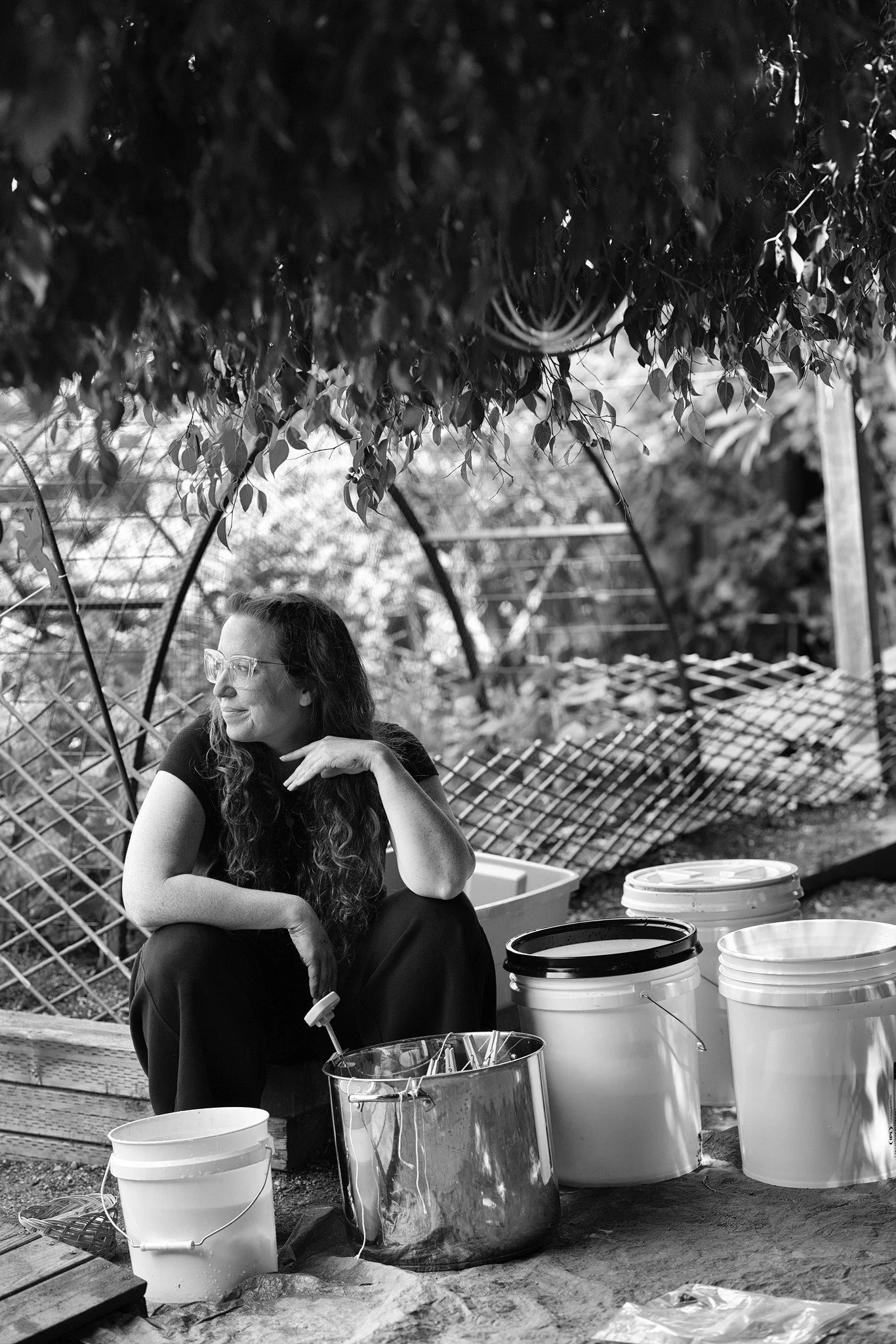
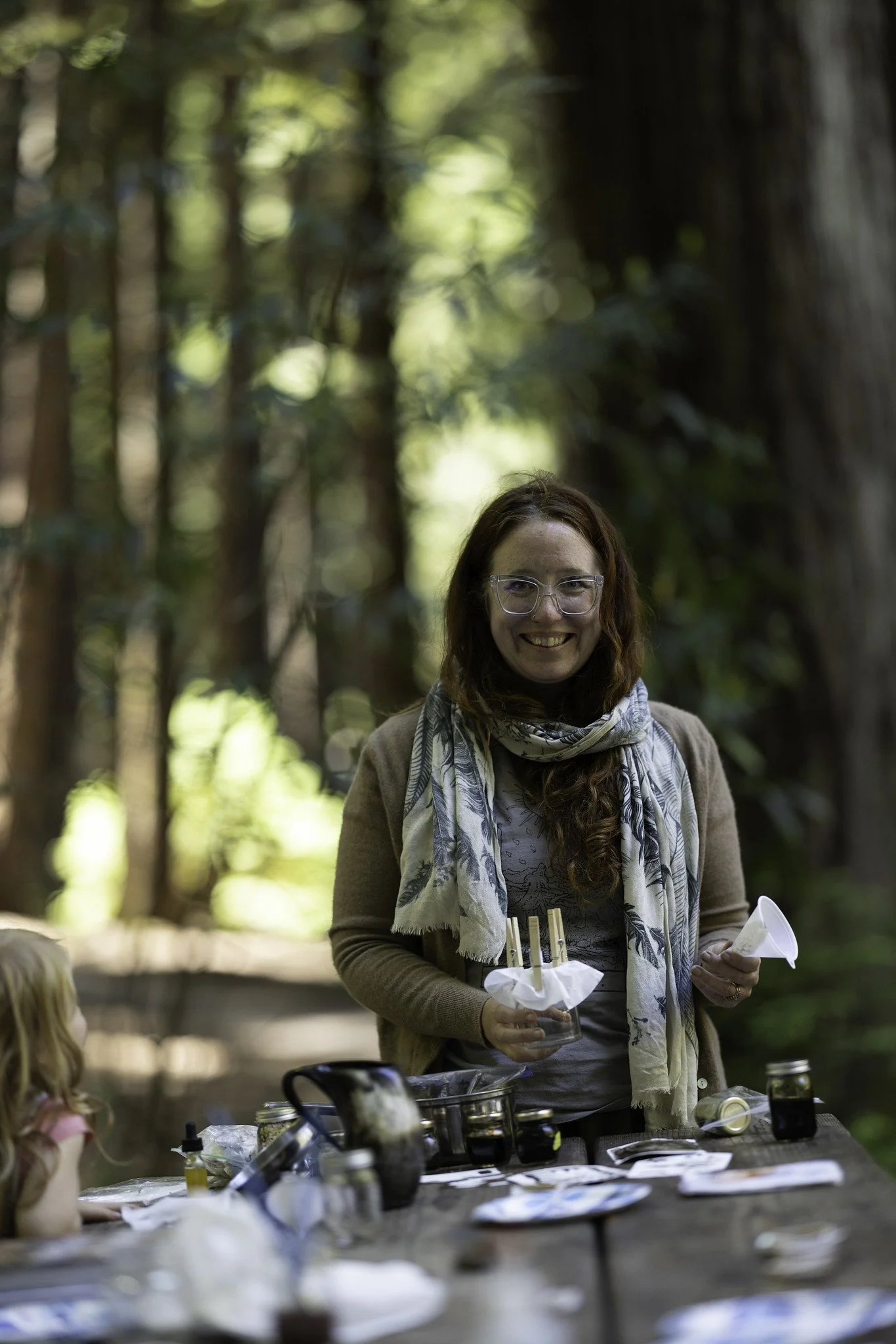
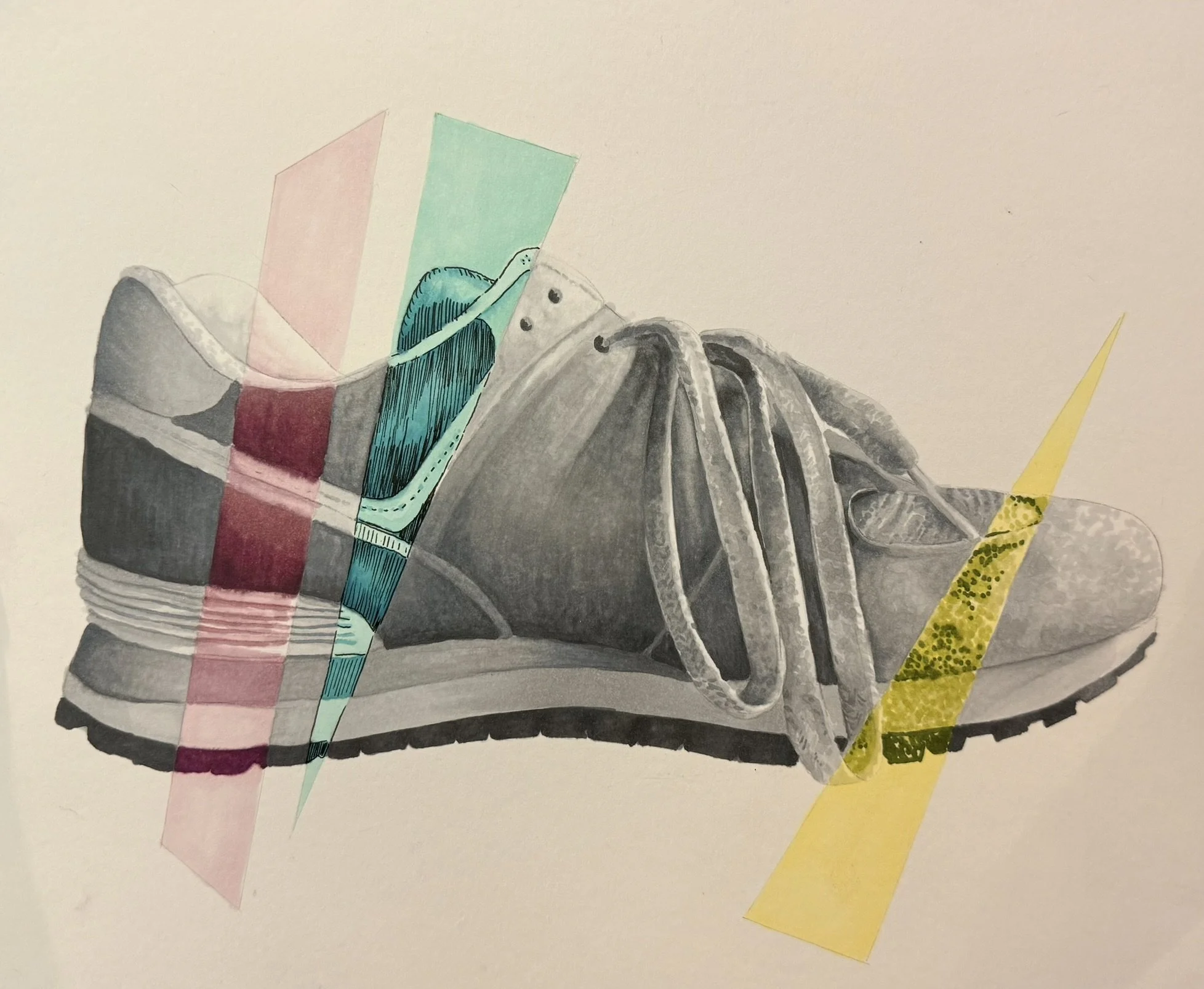
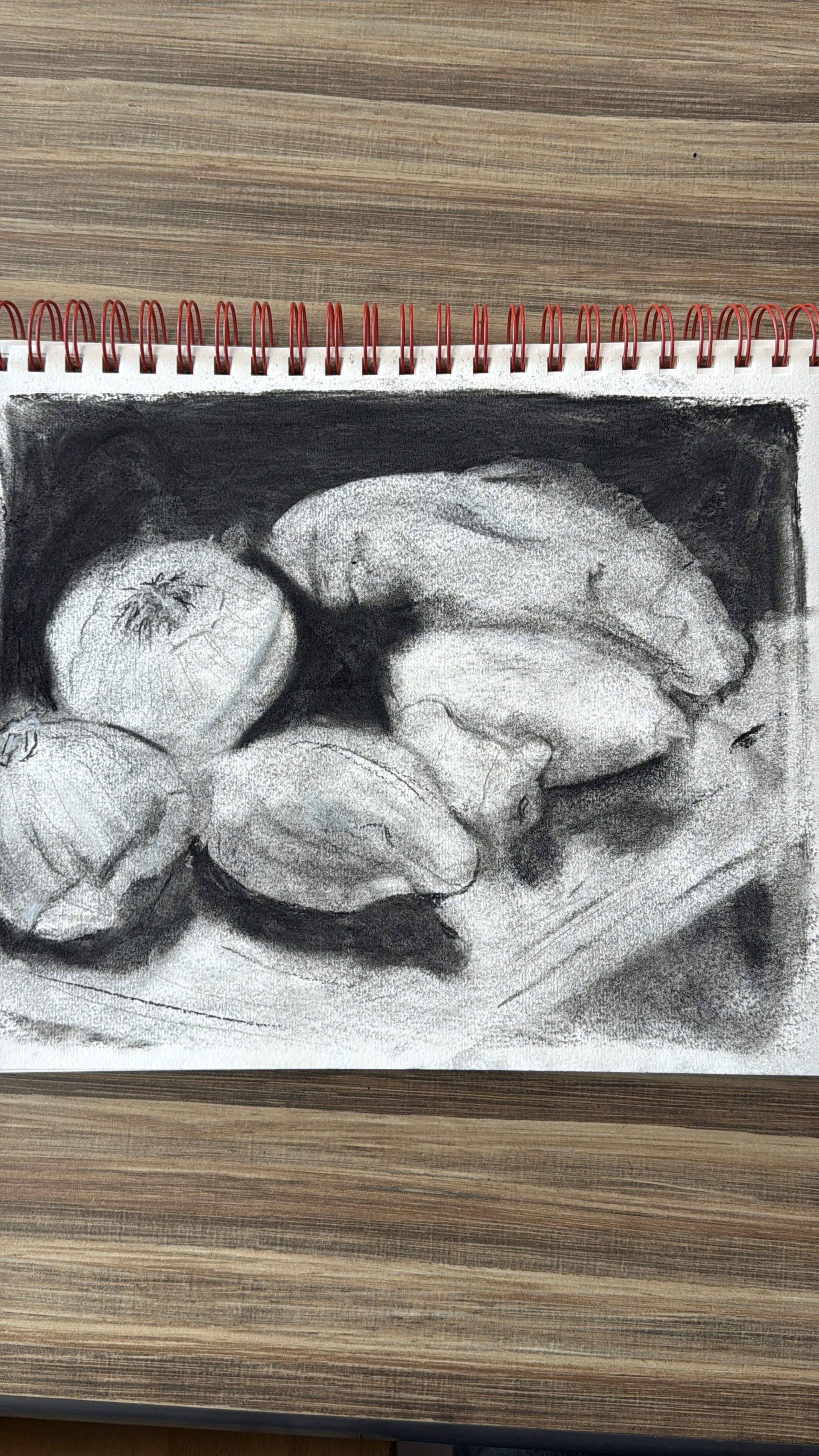
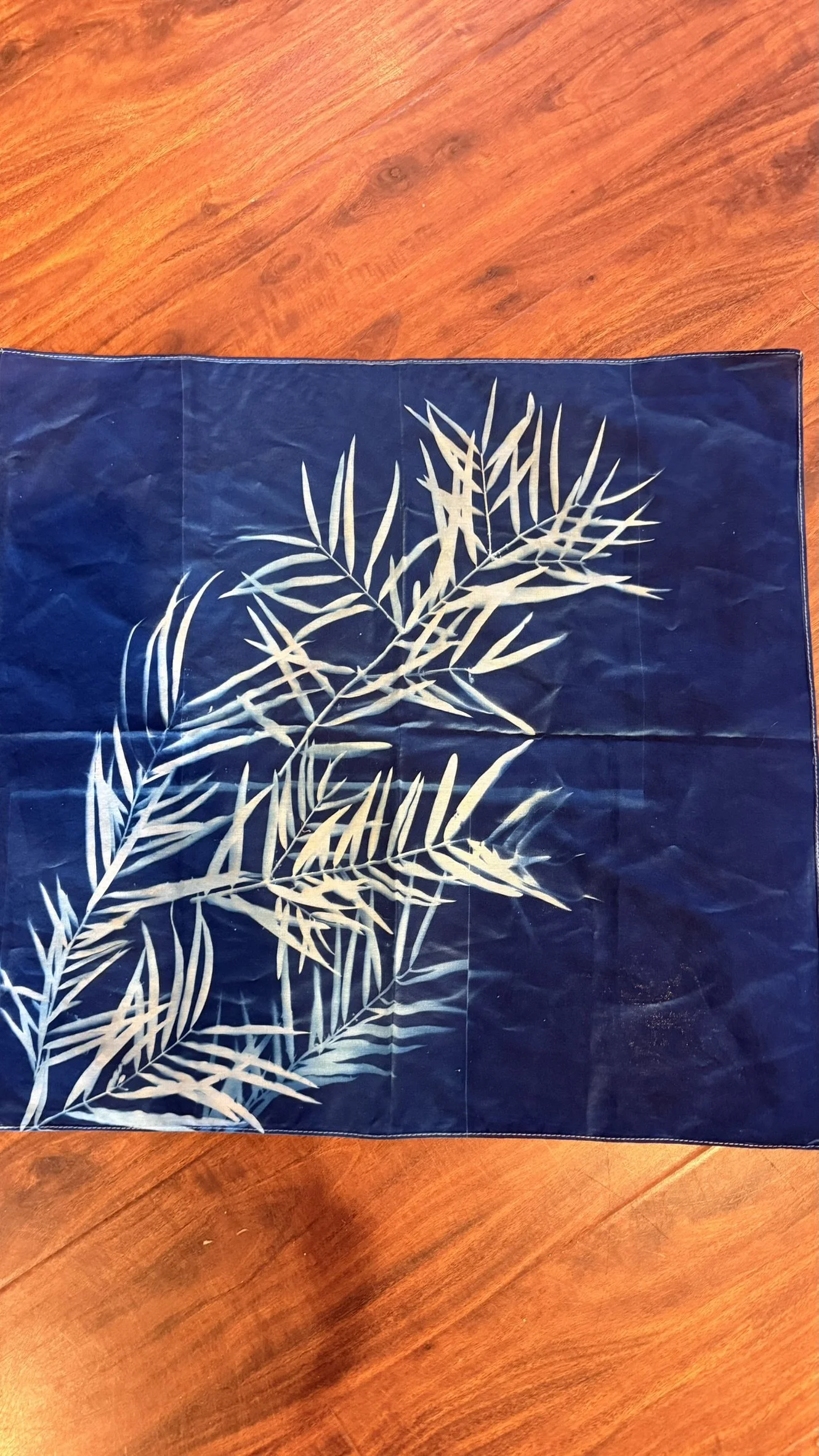
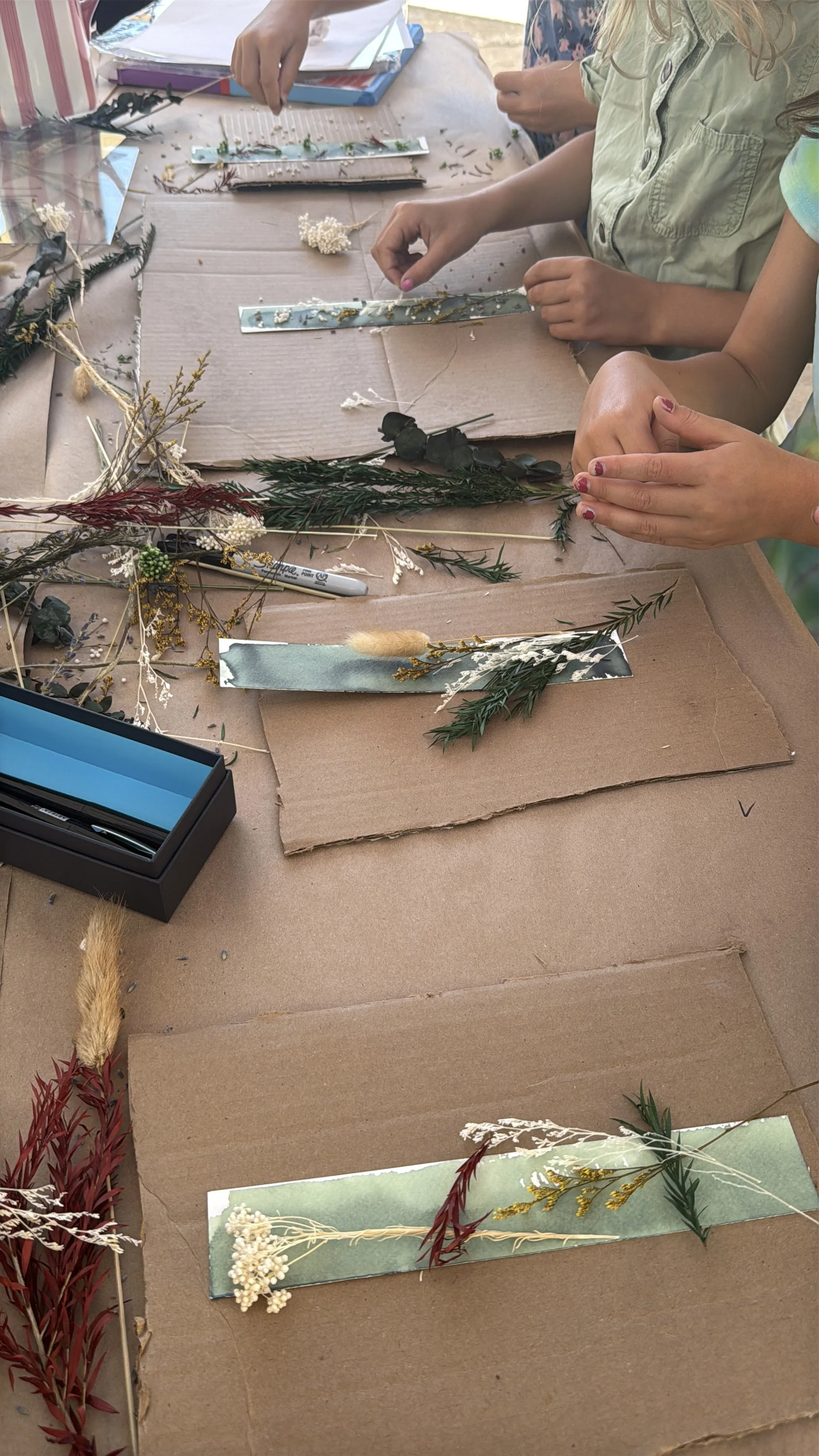
Hi, I’m Laura.
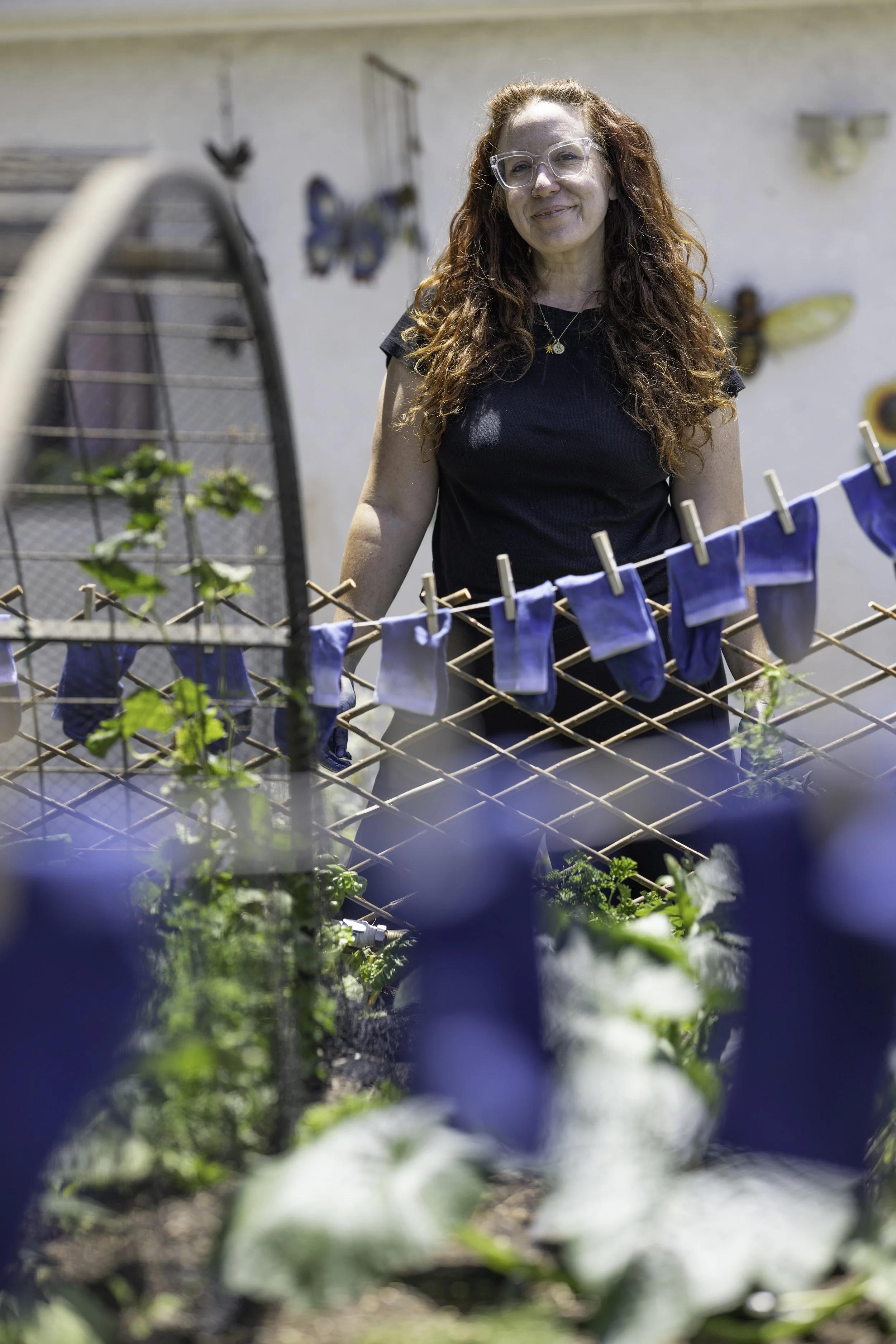
“My personal goal as a teacher is to bring my students the gifts that I have received from practice - a stronger resilience to the ups and downs of life; a deep appreciation for the interconnected nature of the world in which we live; a greater capacity for connected, meaningful relationships; the ability to activate and maintain creative flow; and the grace to allow greater self-compassion in every moment. These gifts can all be accessed through a set of precise and effective tools.
I want to share this work with you as a way to bring a brightness and curiosity to each moment, as a means to infuse everything with the life and creativity of the force that powers the beating heart of the world.”